BetaFPV Cetus X FPV Kit vs GEPRC TinyGO 4K
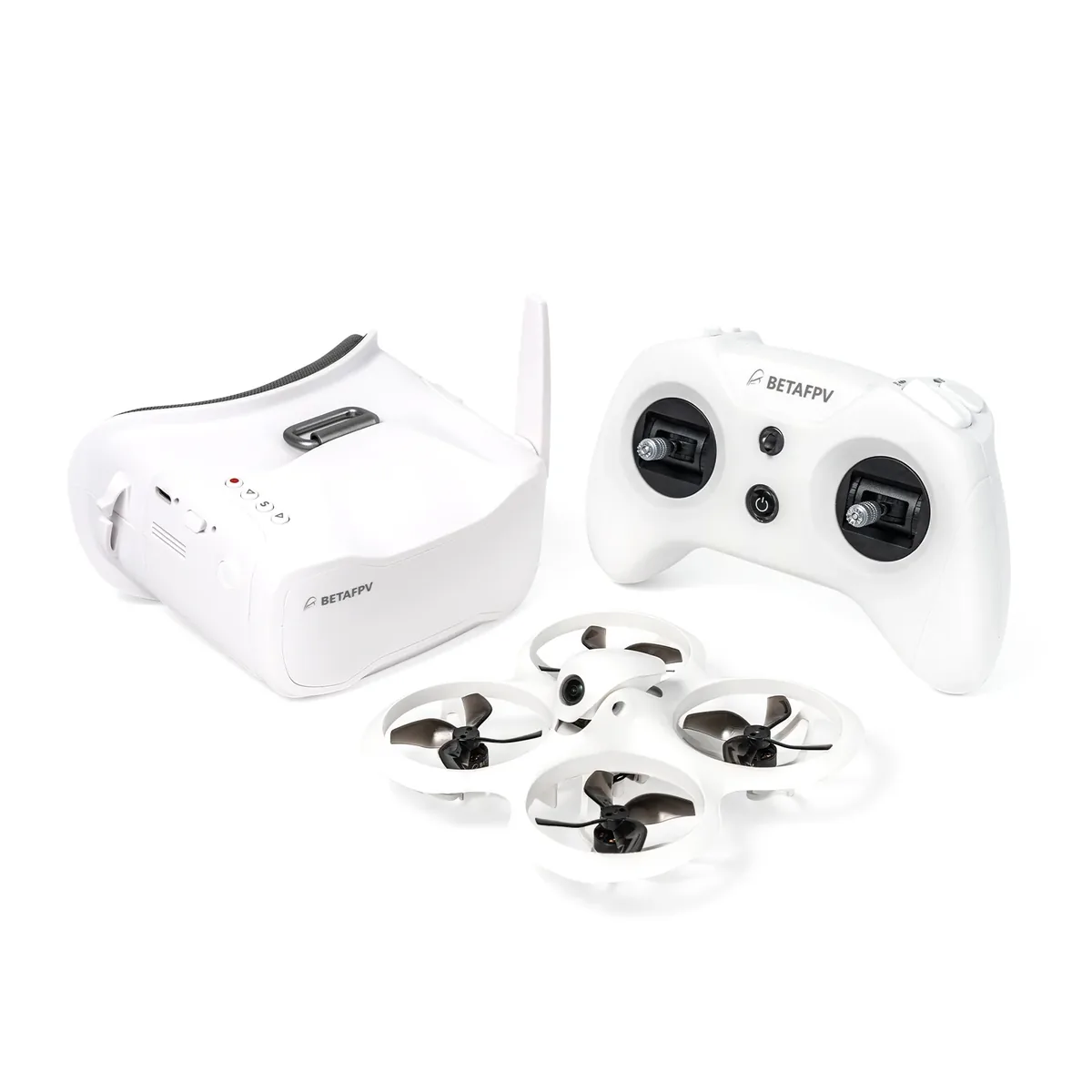
Both are under the 250-gram line, so the legal position is identical and the decision comes down to the rows tinted below — the specs where these two actually differ. The BetaFPV Cetus X FPV Kit is the cheaper of the two at ~$260.
| Drone | ||
|---|---|---|
| Bundle price | ~$260base kit | ~$280base kit |
| True first-year price | ~$260 | ~$280 |
| Flight min per $100 | 1.9 | 2.1 |
| Rating | No cited rating | No cited rating |
| Takeoff weight | 55 g | 60 g |
| FAA registration | Not required | Not required |
| Remote ID | None | None |
| Sensor size | — | — |
| Sensor area | — | — |
| Megapixels | — | — |
| Max video | 480p DVR in the VR03 goggles — no onboard recording | 4K/60fps recorded onboard by the Caddx Loris camera |
| Colour depth | — | — |
| Log profile | — | — |
| Gimbal | None | None |
| Obstacle sensing | None | None |
| Claimed flight time | 5 min | 6 min |
| Tested flight time | — | — |
| Battery | 1.7 Wh | — |
| Transmission | Analog 5.8 GHz | Analog 5.8 GHz |
| Max range | 600 m | 300 m |
| Max speed | — | — |
| Wind resistance | Light outdoor use — no published rating | Indoor use — no published rating |
| Service ceiling | — | — |
| Internal storage | None | None |
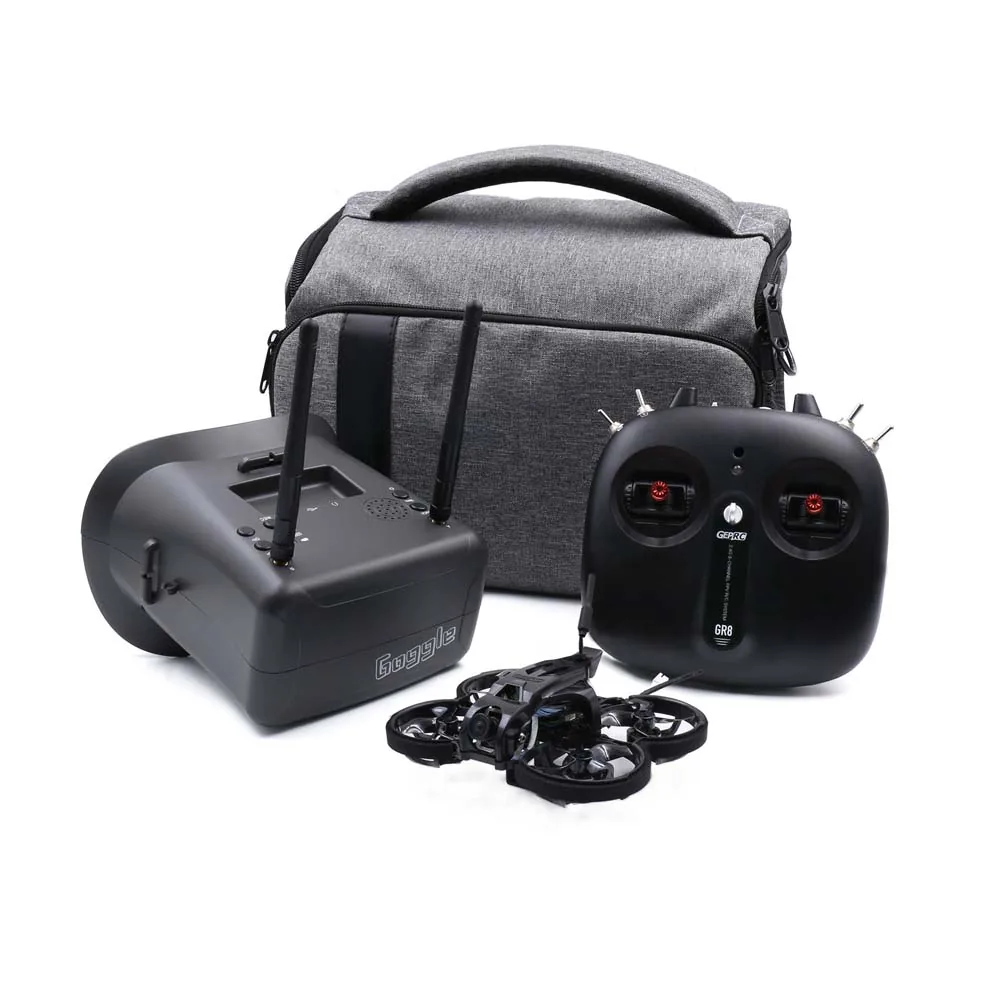
| Controller | LiteRadio 3 transmitter and VR03 goggles with DVR, both in the box | GEPRC transmitter and goggles, both in the box |
| Return to home | No | No |
| Geofencing | No | No |
| Care plan (1 yr) | Not in our snapshot | Not in our snapshot |
| US availability | Sold | Sold |
| Released | 2022 | 2022 |
| Flight claim measured at | BetaFPV quotes about 5 minutes on a 450 mAh 1S pack, and 600 metres of range in open, windless conditions — both best cases rather than typical ones. | GEPRC quotes up to 6 minutes on a fully charged pack. Four batteries ship in the kit, which is where the "more than 20 minutes of playtime" in the marketing comes from. |
BetaFPV Cetus X FPV Kit
The step where a training whoop turns into something you fly outdoors. A 1103 11000KV motor on each arm, 2020 four-blade props, a 400 mW video transmitter and 600 metres of rated range mean the Cetus X will hold a line in a park rather than skittering around a living room. The kit's real upgrade is quieter than the motors: the VR03 goggles have a DVR, so your flights exist afterwards, which the cheaper Cetus kits cannot do. Angle, Horizon and Air modes cover the whole learning curve from self-levelling to fully manual. Five minutes per pack is still five minutes — four batteries come in the box for a reason — and there is nothing here to stop you hitting a tree. One practical note: everything in this kit is replaceable for single-digit dollars, which is the real difference between learning FPV on a whoop and learning it on a camera drone. A destroyed frame is a five-minute job at a kitchen table rather than a service ticket.
Full spec sheet →GEPRC TinyGO 4K
Most beginner whoops record nothing, or record the same low-resolution analog picture you were looking at through the goggles. This one carries a Caddx Loris that writes 4K/60 to its own card while the analog feed handles the flying — which is exactly how full-size FPV builds work, and the reason a TinyGO flight can produce footage worth keeping. The frame is 79 mm on 10,000KV motors with 1.6-inch props, so it sits between a tiny whoop and the Cetus X in authority. Four batteries and a four-channel charger come in the box at six minutes each. A RunCam-camera version sells for roughly sixty dollars less and loses the 4K recording, which is the whole reason to buy this one.
Full spec sheet →