DJI Air 3 vs Autel EVO Lite+
Both are over the 250-gram line, so the legal position is identical and the decision comes down to the rows tinted below — the specs where these two actually differ. The DJI Air 3 is the cheaper of the two at ~$1,349.
| Drone | ||
|---|---|---|
| Bundle price | ~$1,349multi-battery bundle | ~$1,499multi-battery bundle |
| True first-year price | ~$1,349 | ~$1,499 |
| Flight min per $100 | 3.4 | 2.7 |
| Rating | No cited rating | No cited rating |
| Takeoff weight | 720 g | 835 g |
| FAA registration | Required | Required |
| Remote ID | Built-in | Broadcast module |
| Sensor size | 1/1.3" | 1" |
| Sensor area | 69.1 mm² | 116.2 mm² |
| Megapixels | 48 MP | 20 MP |
| Max video | 4K/60fps HDR, 4K/100fps slow motion | 6K/30fps |
| Colour depth | 10-bit | 10-bit |
| Log profile | D-Log M | Log |
| Gimbal | 3-axis | 3-axis |
| Obstacle sensing | Omnidirectional | Forward + backward |
| Claimed flight time | 46 min | 40 min |
| Tested flight time | — | — |
| Battery | 62.6 Wh | 43 Wh |
| Transmission | O4 | SkyLink 2.0 |
| Max range | 20 km | 12 km |
| Max speed | 47 mph | 40 mph |
| Wind resistance | 12 m/s | Level 5 (10.7 m/s) |
| Service ceiling | 6000 m | 6000 m |
| Internal storage | 8 GB | 6 GB |
| Controller | DJI RC-N2 (phone required); DJI RC 2 with built-in screen at extra cost | Autel Smart Controller SE (phone required) |
| Return to home | Yes | Yes |
| Geofencing | Yes | No |
| Care plan (1 yr) | Not in our snapshot | Not in our snapshot |
| US availability | Limited | Limited |
| Released | 2023 | 2022 |
| Flight claim measured at | DJI measures 46 minutes at "a constant speed of 28.8 kph in a windless environment at sea level, with APAS off, AirSense off, camera parameters set to 1080p/24fps" — obstacle sensing disabled and the camera in its least demanding mode. | Autel's 40 minutes is a still-air cruise figure with no published detail on camera settings or sensing state. |
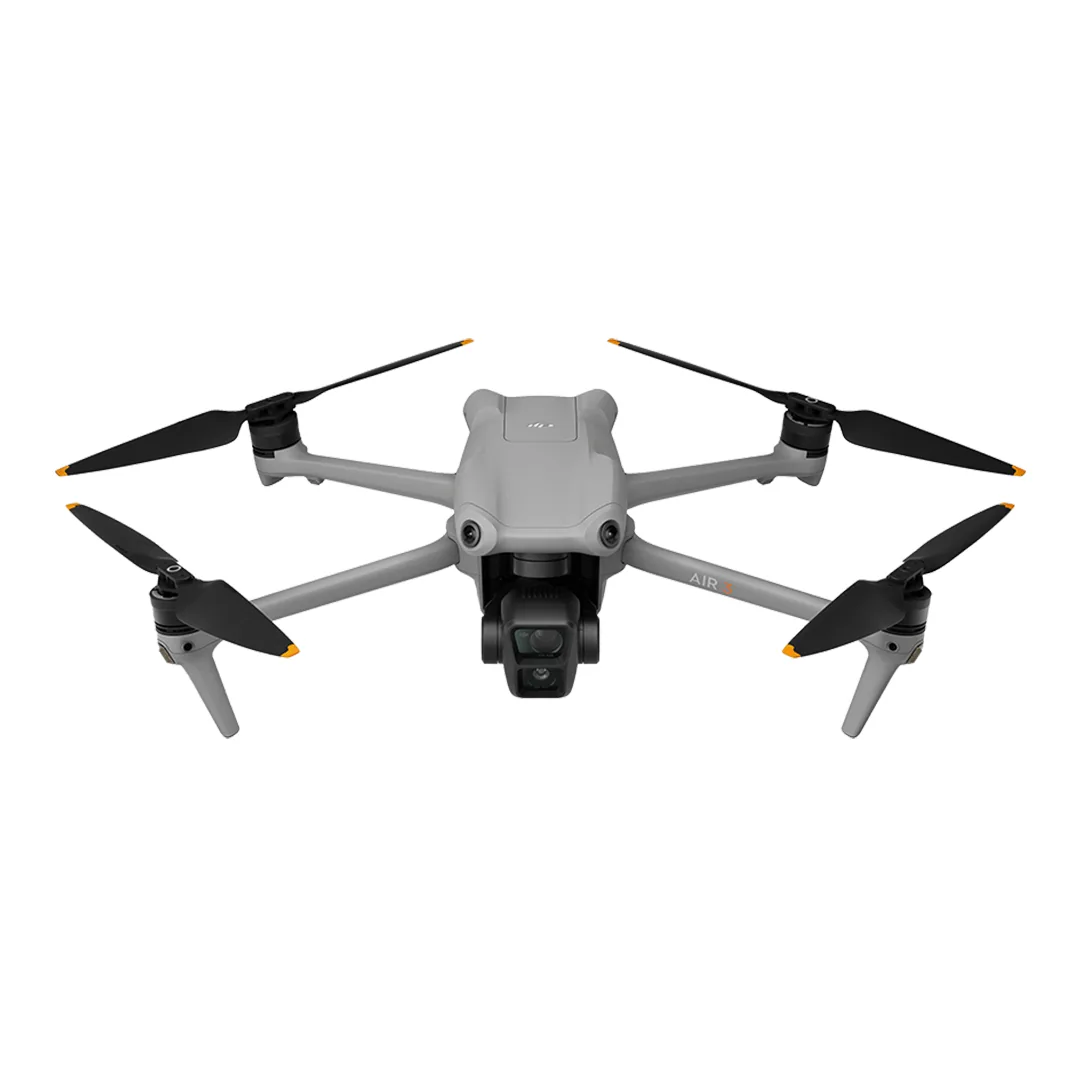
DJI Air 3
Two 1/1.3-inch cameras rather than one big one was the Air 3's bet, and for a lot of people it paid off. A 24mm wide and a 70mm medium telephoto share the same sensor size and the same 48 megapixels, so cutting between them does not produce the jarring quality drop that a small tele sensor causes. Both shoot 4K/60 HDR, 4K/100 slow motion and 10-bit D-Log M. Omnidirectional sensing, 46 claimed minutes on a 62.6 Wh pack and a 6,000 m ceiling make it the class workhorse it was meant to be. Read that 46 carefully, though: DJI quotes it with obstacle sensing switched off and the camera set to 1080p/24, which is not how anyone flies. The Air 3S replaced it with a one-inch wide camera and forward LiDAR, so the Air 3 is now the value pick in the line rather than the current one.
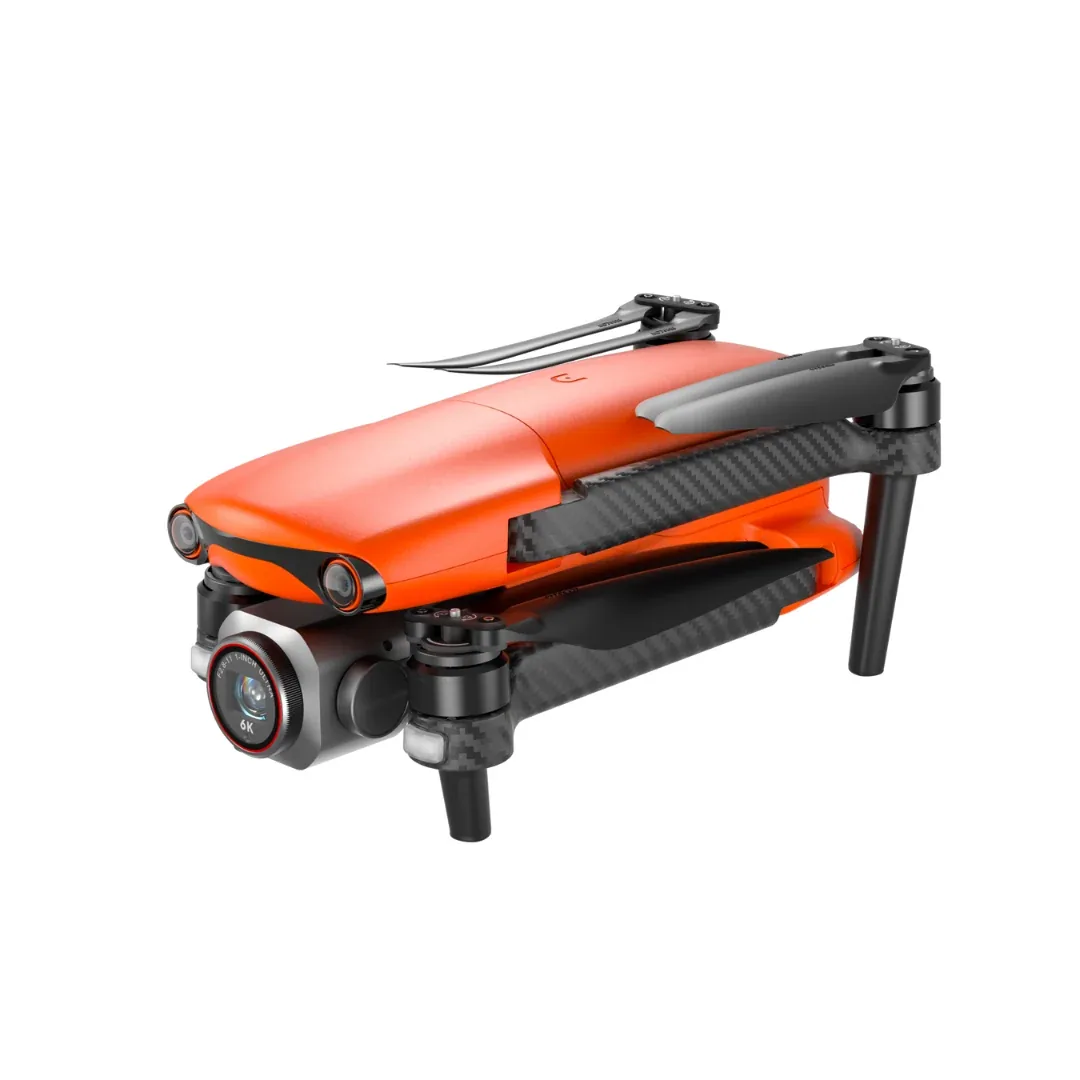
Full spec sheet →Autel EVO Lite+
Pair a one-inch sensor with an adjustable f/2.8-to-f/11 aperture and 6K recording and you have what was, for a while, the most interesting non-DJI camera drone of its generation, and it still shoots well. Autel's Moonlight algorithm pushes ISO absurdly high — the marketing claims up to 48,000 — which produces noisy but usable night frames that most rivals simply cannot attempt. Forty claimed minutes on a 43 Wh pack and a 12 km SkyLink link round it out, and as with every Autel there is no manufacturer geofencing. The reason to think hard before buying is the same as with the Nano+: Autel discontinued its whole consumer range in July 2025. Batteries, props and firmware for an 835-gram aircraft with a four-year-old app are not going to get easier to find, and at 835 grams it needs registration and a Remote ID solution either way.
Full spec sheet →