DJI Mini 3 vs DJI Mini 3 Pro
Both are under the 250-gram line, so the legal position is identical and the decision comes down to the rows tinted below — the specs where these two actually differ. The DJI Mini 3 is the cheaper of the two at ~$598.
| Drone | ||
|---|---|---|
| Bundle price | ~$598multi-battery bundle | ~$759base kit |
| True first-year price | ~$598 | ~$759 |
| Flight min per $100 | 6.4 | 4.5 |
| Rating | No cited rating | No cited rating |
| Takeoff weight | 248 g | 249 g |
| FAA registration | Not required | Not required |
| Remote ID | Built-in | Built-in |
| Sensor size | 1/1.3" | 1/1.3" |
| Sensor area | 69.1 mm² | 69.1 mm² |
| Megapixels | 48 MP | 48 MP |
| Max video | 4K/30fps | 4K/60fps HDR |
| Colour depth | 8-bit | 10-bit |
| Log profile | — | D-Cinelike |
| Gimbal | 3-axis | 3-axis |
| Obstacle sensing | None | Forward + backward |
| Claimed flight time | 38 min | 34 min |
| Tested flight time | — | — |
| Battery | 18.1 Wh | 18.1 Wh |
| Transmission | O2 | O3 |
| Max range | 10 km | 12 km |
| Max speed | 36 mph | 36 mph |
| Wind resistance | Level 5 (10.7 m/s) | Level 5 (10.7 m/s) |
| Service ceiling | 4000 m | 4000 m |
| Internal storage | None | 1.2 GB |
| Controller | DJI RC-N1 (phone required); DJI RC with built-in screen at extra cost | DJI RC with a built-in screen, or RC-N1 with a phone |
| Return to home | Yes | Yes |
| Geofencing | Yes | Yes |
| Care plan (1 yr) | Not in our snapshot | Not in our snapshot |
| US availability | Limited | Limited |
| Released | 2022 | 2022 |
| Flight claim measured at | DJI's own wording: 38 minutes "hovering in a windless laboratory environment, in photo mode (without photo taking operation during flight), and from 100% battery level until 0%". That is a hover, not a flight, and it runs the pack flat. | 34 minutes on the standard battery, measured flying forward at a constant speed in windless conditions. The 47-minute Intelligent Flight Battery Plus takes the aircraft past 249 g. |
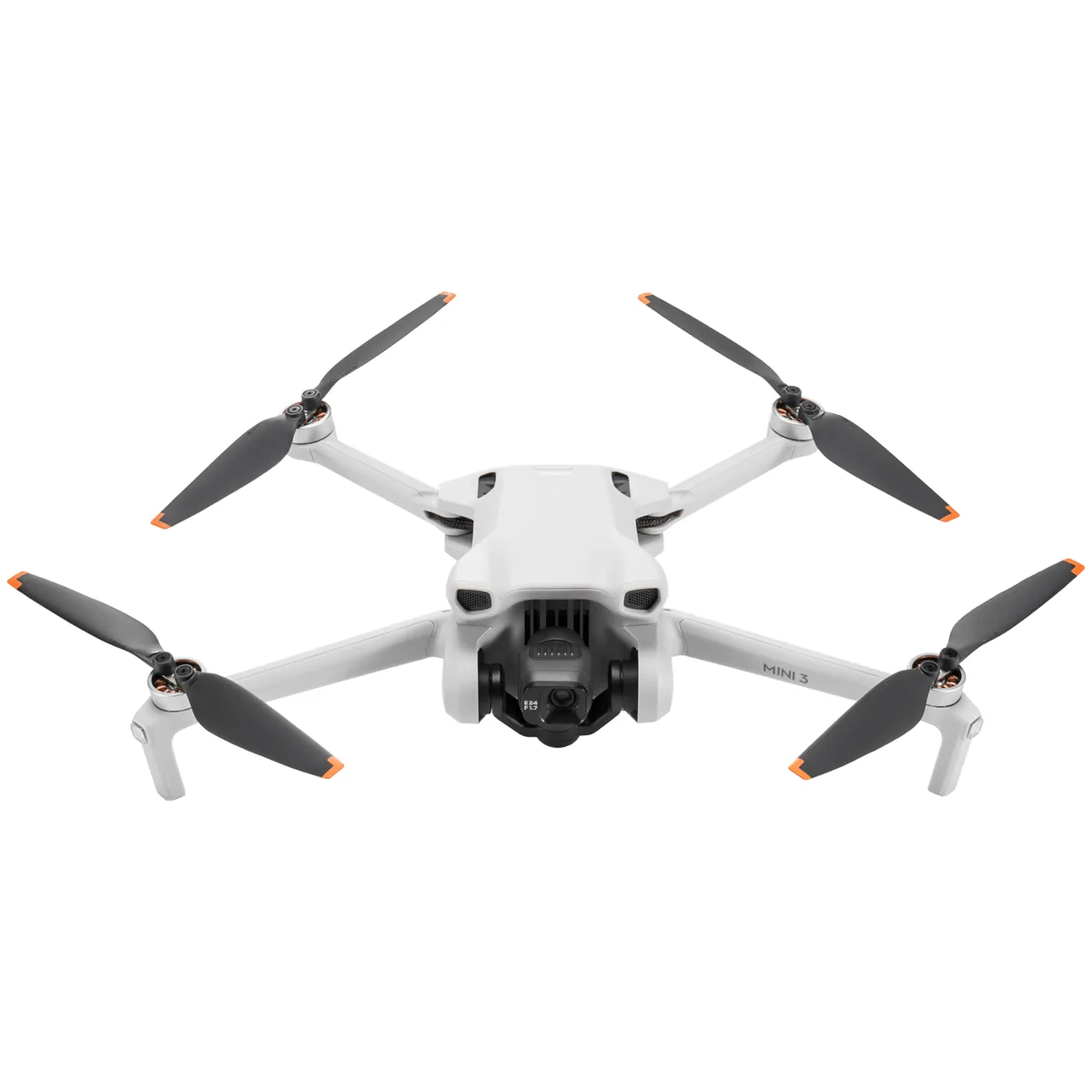
DJI Mini 3
Everything the Mini 4 Pro has except the sensing and the frame rates, for a good deal less money. Mini 3 carries the same 1/1.3-inch 48MP sensor, the same three-axis gimbal and the same true vertical shooting, then stops at 4K/30 in 8-bit with no log profile and no obstacle detection beyond the downward vision system. Its 38-minute headline is the most quotable example of why this site records flight conditions: DJI measures it hovering in a windless lab, in photo mode, running the battery from full to empty. Fly it forward with the camera rolling and land with a reserve and you are in the mid-twenties. As a daylight stills and simple-video aircraft that never needs registering, it still holds up; as a drone to fly through anything, it does not. There is one more consideration for anyone comparing it against a Mini 4K at a similar price: the Mini 3 has been out long enough that the accessory market is deep and second-hand batteries are plentiful, while the newer aircraft is still building that.
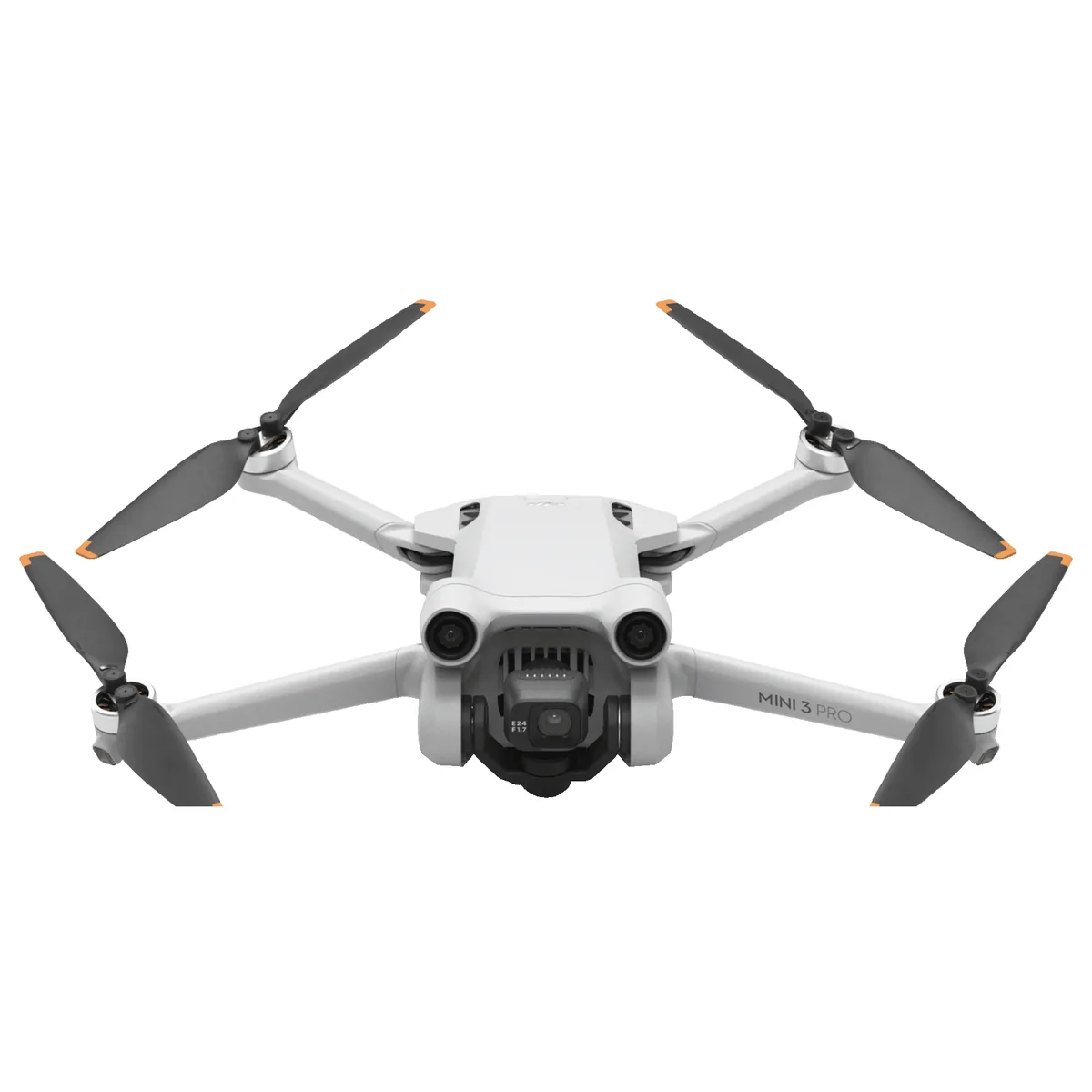
Full spec sheet →DJI Mini 3 Pro
This was the aircraft that made obstacle sensing possible under 250 grams, and everything in the Mini line since has built on it. Forward, backward and downward sensors, a 1/1.3-inch 48MP sensor that rotates 90 degrees for true vertical shooting, 4K/60 HDR at 150 Mbps in 10-bit D-Cinelike, and a genuine 34 minutes on the standard pack. What the Mini 4 Pro added two years later was sensing on the remaining sides, O4 in place of O3, and 4K/100 slow motion. If you find one at a real discount the older aircraft still does most of the job, but DJI discontinued it in 2024, so you are shopping for the last of the stock and betting on battery availability a few years out.
Full spec sheet →