DJI Neo vs DJI Mini 2 SE
Both are under the 250-gram line, so the legal position is identical and the decision comes down to the rows tinted below — the specs where these two actually differ. The DJI Neo is the cheaper of the two at ~$289.
| Drone | ||
|---|---|---|
| Bundle price | ~$289multi-battery bundle | ~$399multi-battery bundle |
| True first-year price | ~$318 | ~$399 |
| Flight min per $100 | 6.2 | 7.8 |
| Rating | No cited rating | No cited rating |
| Takeoff weight | 135 g | 246 g |
| FAA registration | Not required | Not required |
| Remote ID | None | Built-in |
| Sensor size | 1/2" | 1/2.3" |
| Sensor area | 30.7 mm² | 28.1 mm² |
| Megapixels | 12 MP | 12 MP |
| Max video | 4K/30fps | 2.7K/30fps |
| Colour depth | 8-bit | 8-bit |
| Log profile | — | — |
| Gimbal | 1-axis | 3-axis |
| Obstacle sensing | None | None |
| Claimed flight time | 18 min | 31 min |
| Tested flight time | — | — |
| Battery | 10.5 Wh | 17.32 Wh |
| Transmission | Wi-Fi | O2 |
| Max range | 50 m | 10 km |
| Max speed | 36 mph | 36 mph |
| Wind resistance | Level 4 (8 m/s) | Level 5 (10.7 m/s) |
| Service ceiling | 2000 m | 4000 m |
| Internal storage | 22 GB | None |
| Controller | None in the base kit — palm launch and phone app; RC-N3 or motion controller sold separately | DJI RC-N1 (phone required) |
| Return to home | Yes | Yes |
| Geofencing | Yes | Yes |
| Care plan (1 yr) | ~$29 | Not in our snapshot |
| US availability | Sold | Limited |
| Released | 2024 | 2023 |
| Flight claim measured at | DJI's 18 minutes is measured "flying forward at a constant speed of 2 m/s" in windless conditions at sea level — walking pace. Hovering to film a subject, or any breeze at all, spends the 10.5 Wh pack faster. | DJI quotes 31 minutes in windless conditions at a constant forward speed. As with the rest of the Mini line, hovering to frame a shot costs noticeably more than cruising. |
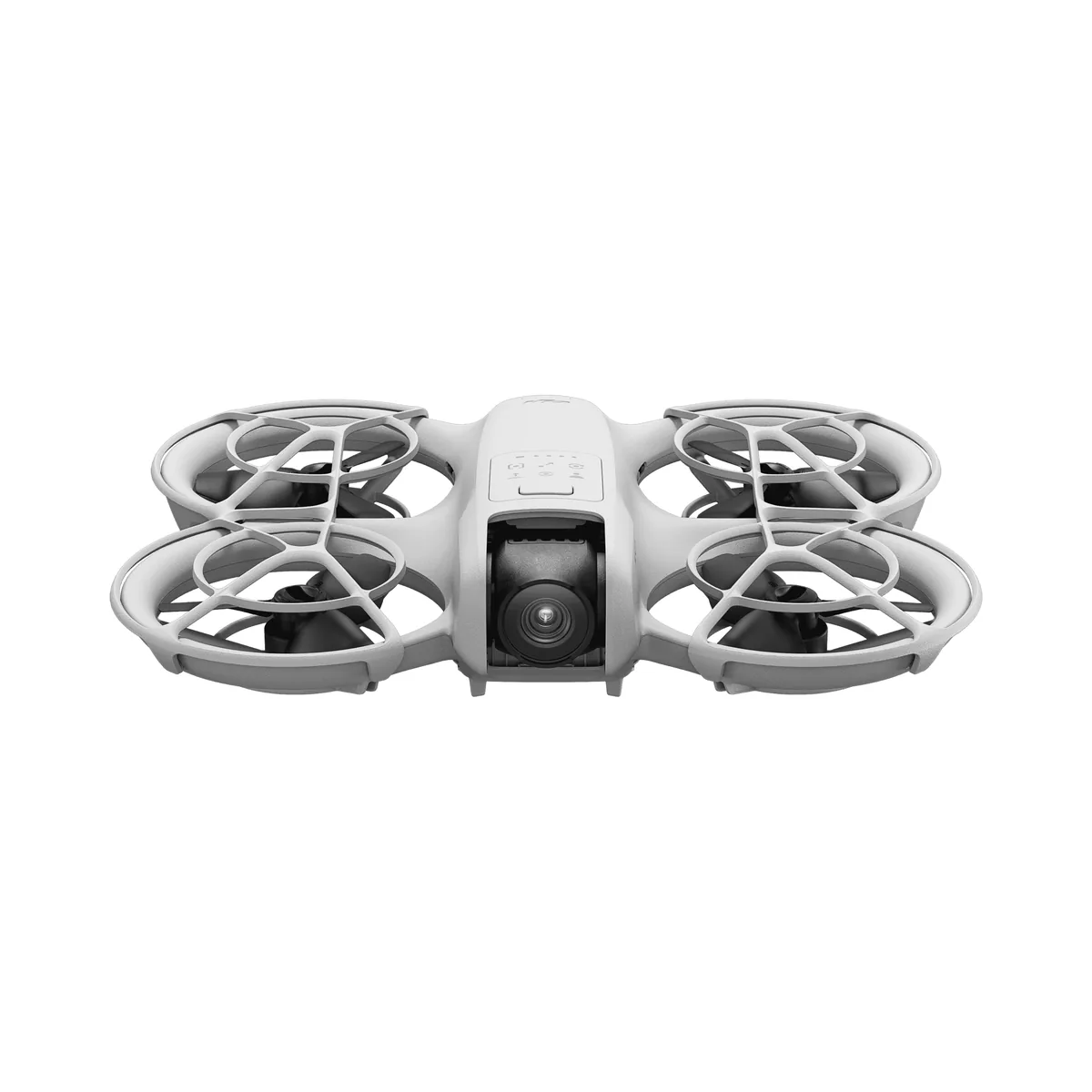
DJI Neo
At 135 grams with the propellers already caged, this is the drone you hand to someone who has never flown one. It launches off a palm, picks a preset move — orbit, follow, dronie — flies it, and lands back on the hand, with no controller and no app interaction required. A single-axis gimbal and electronic stabilisation keep 4K/30 usably steady, and 22 GB of internal storage means there is no card to forget. The trade is total: there is no obstacle sensing, the Wi-Fi link is good for about 50 metres without the optional controller, and the 18-minute claim is measured crawling forward at 2 m/s. Think of it as a hovering camera with eight fixed moves, not a camera drone you compose with.
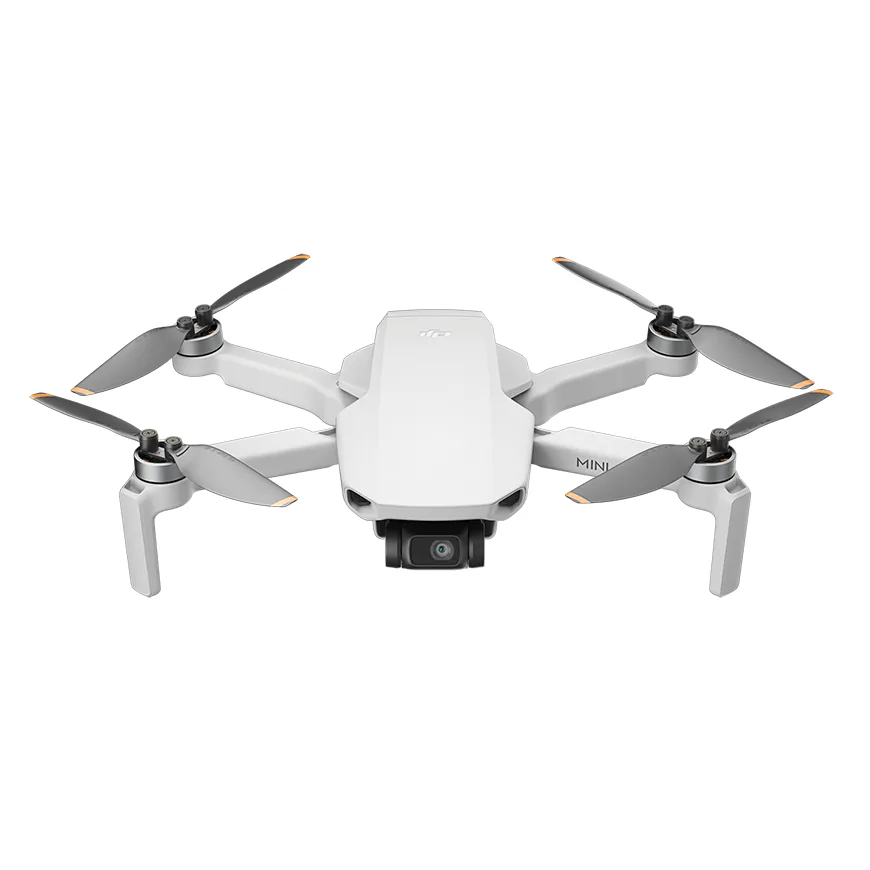
Full spec sheet →DJI Mini 2 SE
DJI's cheapest way into the ecosystem for two years running, and the model the Mini 4K was built to replace. Identical airframe, identical three-axis gimbal, identical O2 link to 10 km and the same 1/2.3-inch 12MP sensor — the only meaningful difference is that this one stops at 2.7K where the newer one records 4K. Both sit at $299, which makes the choice between them a short conversation unless the Mini 2 SE turns up substantially discounted. Everything that makes a Mini easy is here: GPS hold, automatic return-to-home, Level 5 wind resistance and a weight that keeps it out of the registration system. Everything a Mini lacks at this price is here too, chiefly any obstacle sensing at all.
Full spec sheet →