DJI
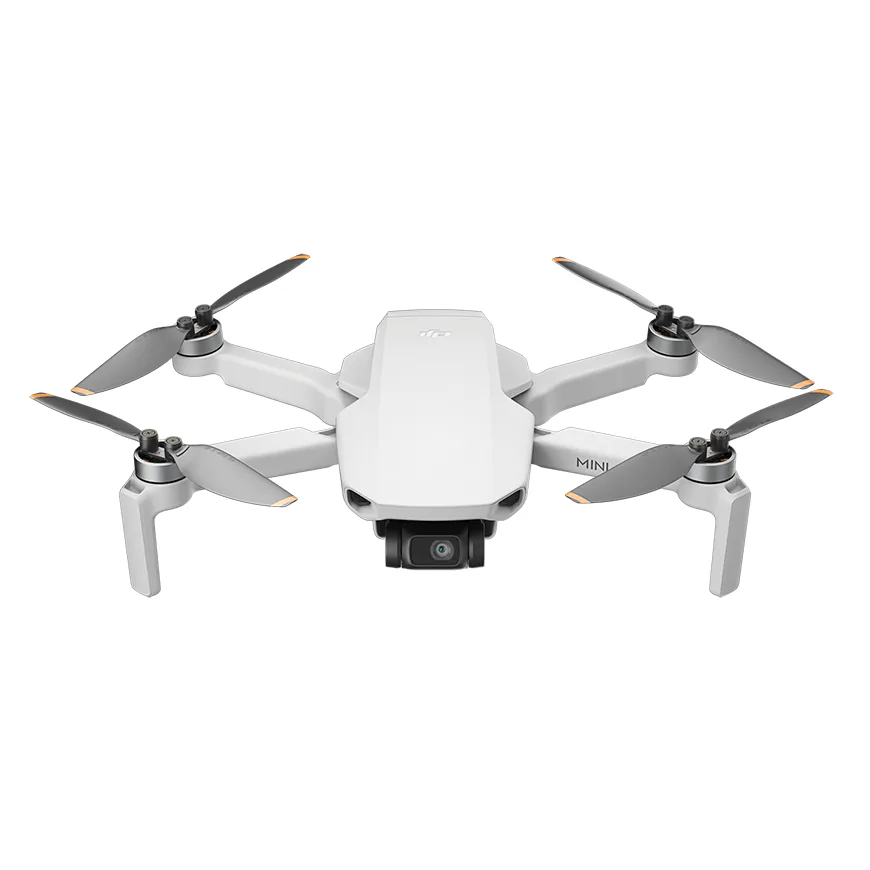
DJI Mini 2 SE
DJI's cheapest way into the ecosystem for two years running, and the model the Mini 4K was built to replace. Identical airframe, identical three-axis gimbal, identical O2 link to 10 km and the same 1/2.3-inch 12MP sensor — the only meaningful difference is that this one stops at 2.7K where the newer one records 4K. Both sit at $299, which makes the choice between them a short conversation unless the Mini 2 SE turns up substantially discounted. Everything that makes a Mini easy is here: GPS hold, automatic return-to-home, Level 5 wind resistance and a weight that keeps it out of the registration system. Everything a Mini lacks at this price is here too, chiefly any obstacle sensing at all.
The 250-gram line
Under 250 g: recreational flight needs no FAA registration, and Remote ID does not apply.
Every recreational flyer must also take TRUST and carry proof of it, at any weight. Rules checked against faa.gov on 2026-09-24. Not legal advice — how this is worked out.
What that 31-minute claim is measured at
DJI quotes 31 minutes in windless conditions at a constant forward speed. As with the rest of the Mini line, hovering to frame a shot costs noticeably more than cruising.
That works out to 7.8 claimed minutes per $100 of the multi-battery bundle. Compared with the rest of the catalog.
Buying one in the US: limited
Checked 24 Sep 2026. Still listed and sold in the US, though the Mini 4K has largely replaced it at the same price with 4K recording.
Specifications
True first-year cost: ~$399 — the multi-battery bundle at ~$399; no crash-plan price has been verified for this model, so nothing is added for it.
What it has
- Three-axis mechanical gimbal
- 2.7K/30 video and 12MP stills
- O2 transmission rated to 10 km
- GPS hold and automatic return-to-home
- Built-in Remote ID broadcast
- 246 g takeoff weight
In its favour
- DJI flight behaviour, app and return-to-home at the bottom of the price range
- Three-axis gimbal rather than electronic stabilisation
- Level 5 wind resistance, which most sub-$300 drones do not have
- Broadcasts Remote ID it does not need at 246 g, which is what makes it usable for Part 107 work later
Against it
- 2.7K maximum where the same-priced Mini 4K records 4K
- No obstacle sensors, where the Mini 3 Pro and Mini 4 Pro above it brake for what they see
- 1/2.3-inch sensor and 8-bit colour
- Largely superseded, so it only makes sense at a real discount
The two lists above are drawn from the manufacturer’s published specifications and from the cited reviews, not from owner reports.
What owners report
Summarised from public owner discussions plus the dated, published sources listed at the end.
This was DJI's entry point for two years and owner discussions reflect that: a lot of people's first drone, remembered fondly, and now consistently described as something to buy only on discount. The aircraft itself is the same airframe and the same three-axis gimbal as the Mini 4K that replaced it — what changed is the camera, which tops out at 2.7K here and 4K there, at the same list price.
What owners praise is the same thing they praise about every Mini: it behaves. GPS hold is solid, return-to-home works, the app is the one everyone else's app is imitating, and a complete beginner's first flight tends to be boring in the way a first flight should be. What they warn about is the same too — there is no obstacle sensing, so the aircraft will fly into whatever you aim it at.
What owners like
- For a long time the cheapest way into DJI's flight behaviour, app and return-to-home, and owners say that is what you are actually buying
- Three-axis gimbal at a price where electronic stabilisation is the norm
- Owners consistently describe first flights as uneventful, which is the whole point of a beginner aircraft
- Holds up in light wind noticeably better than sub-$200 alternatives at a similar weight
Common complaints
- 2.7K rather than 4K, which is hard to defend when the Mini 4K sits at the same list price
- No obstacle sensing whatsoever
- Largely superseded, so owners increasingly recommend it only when it is genuinely discounted
- O2 transmission caps the live feed at 720p
Questions owners ask
Mini 2 SE or Mini 4K?
Is 2.7K enough?
Does it need registering?
Published sources: dji.com, dronios.com
DJI Mini 2 SE, head-to-head
Shopped alongside it
More from DJI →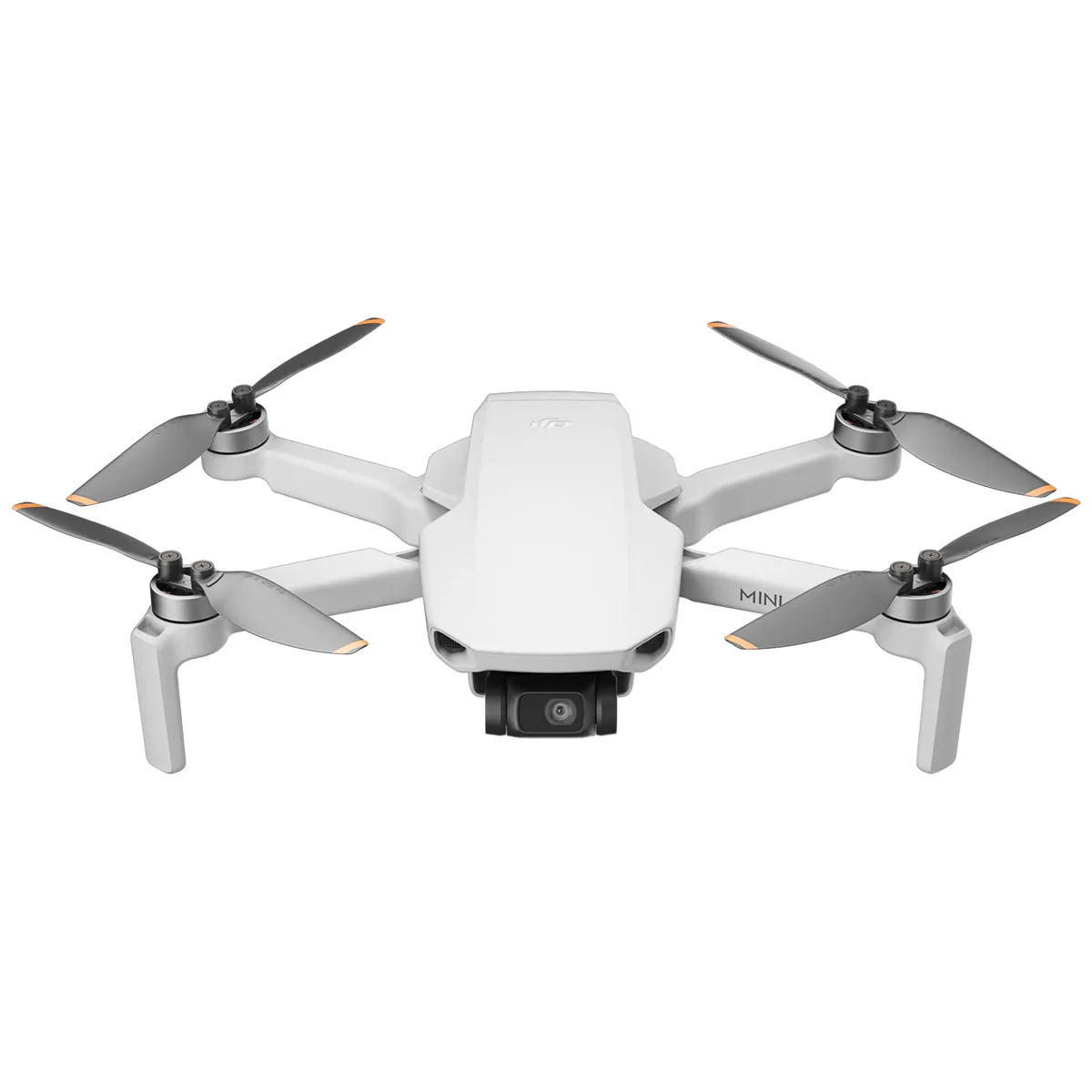
DJI
DJI Mini 4K
Three hundred dollars is the entire point here. Strip a Mini down to a 1/2.3-inch 12MP sensor, 8-bit 4K/30, and a downward vision system with nothing looking forward, keep the three-axis gimbal and the GPS return-to-home, and you get the cheapest genuinely stable aerial camera DJI sells. Nothing about the footage will impress anyone who has seen a 1/1.3-inch sensor at dusk, but in daylight it is sharp and level, which is more than any sub-$200 quadcopter manages. O2 transmission is rated to 10 km and holds a 720p feed rather than O4's 1080p. Treat the lack of obstacle sensing as the defining spec: this aircraft will fly into a branch at full speed without hesitating, so it belongs in open fields while you learn.
- Sensor
- 28.1 mm²
- Claimed
- 31 min
- Bundle
- ~$449
Best for: A first drone flown in open space
Full spec sheet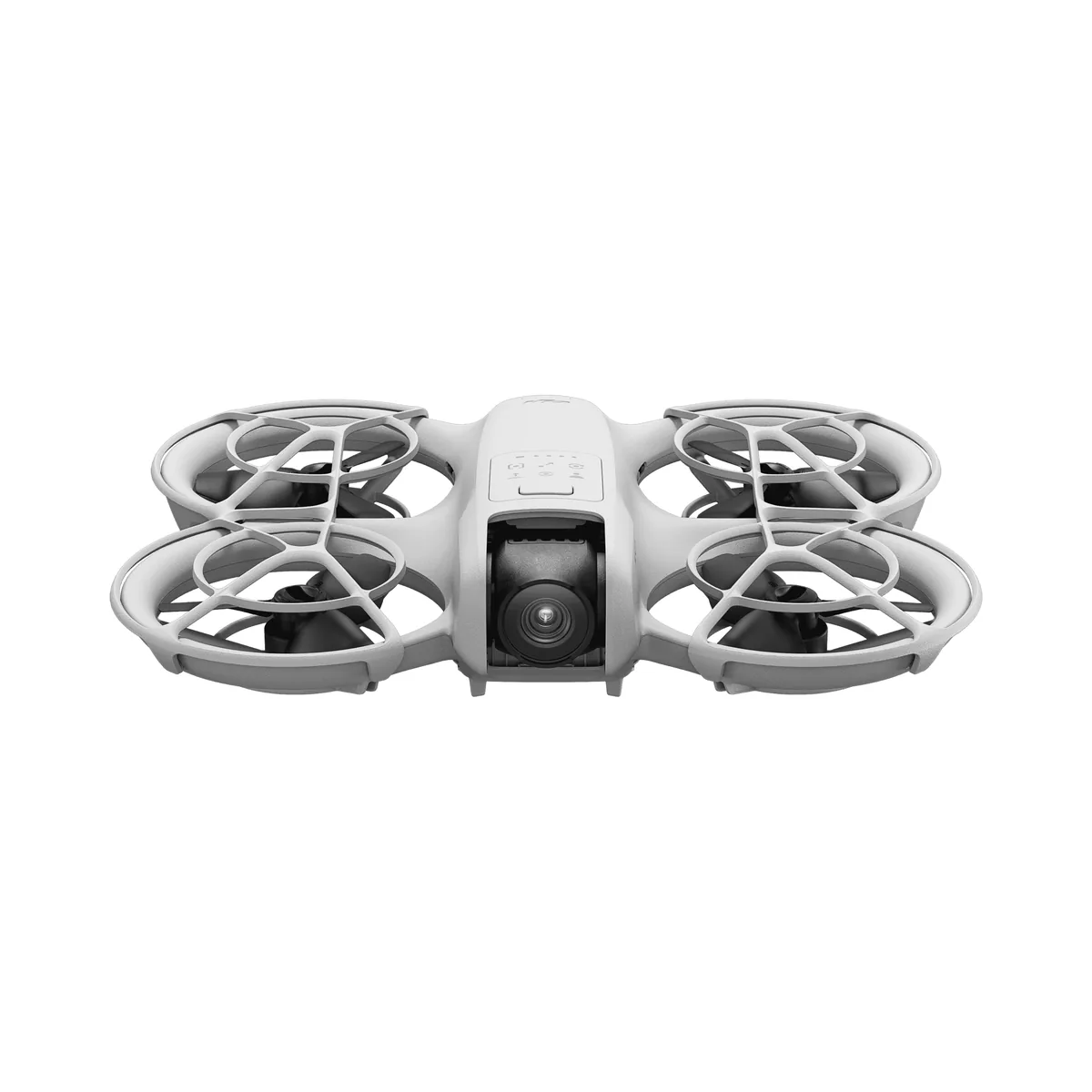
DJI
DJI Neo
At 135 grams with the propellers already caged, this is the drone you hand to someone who has never flown one. It launches off a palm, picks a preset move — orbit, follow, dronie — flies it, and lands back on the hand, with no controller and no app interaction required. A single-axis gimbal and electronic stabilisation keep 4K/30 usably steady, and 22 GB of internal storage means there is no card to forget. The trade is total: there is no obstacle sensing, the Wi-Fi link is good for about 50 metres without the optional controller, and the 18-minute claim is measured crawling forward at 2 m/s. Think of it as a hovering camera with eight fixed moves, not a camera drone you compose with.
- Sensor
- 30.7 mm²
- Claimed
- 18 min
- Bundle
- ~$289
Best for: Hands-free follow shots without piloting
Full spec sheet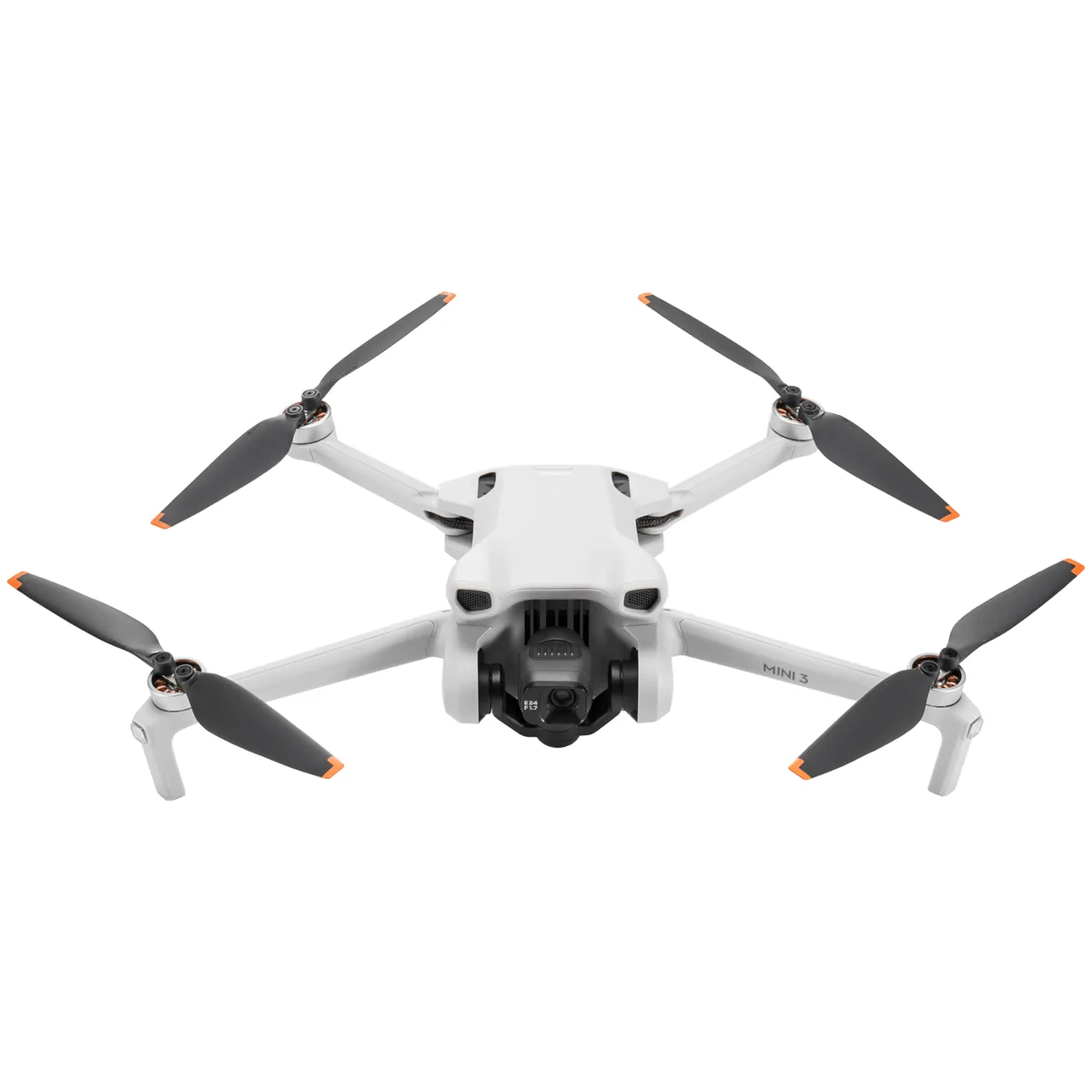
DJI
DJI Mini 3
Everything the Mini 4 Pro has except the sensing and the frame rates, for a good deal less money. Mini 3 carries the same 1/1.3-inch 48MP sensor, the same three-axis gimbal and the same true vertical shooting, then stops at 4K/30 in 8-bit with no log profile and no obstacle detection beyond the downward vision system. Its 38-minute headline is the most quotable example of why this site records flight conditions: DJI measures it hovering in a windless lab, in photo mode, running the battery from full to empty. Fly it forward with the camera rolling and land with a reserve and you are in the mid-twenties. As a daylight stills and simple-video aircraft that never needs registering, it still holds up; as a drone to fly through anything, it does not. There is one more consideration for anyone comparing it against a Mini 4K at a similar price: the Mini 3 has been out long enough that the accessory market is deep and second-hand batteries are plentiful, while the newer aircraft is still building that.
- Sensor
- 69.1 mm²
- Claimed
- 38 min
- Bundle
- ~$598
Best for: Daylight stills and simple video with no registration
Full spec sheet