Autel
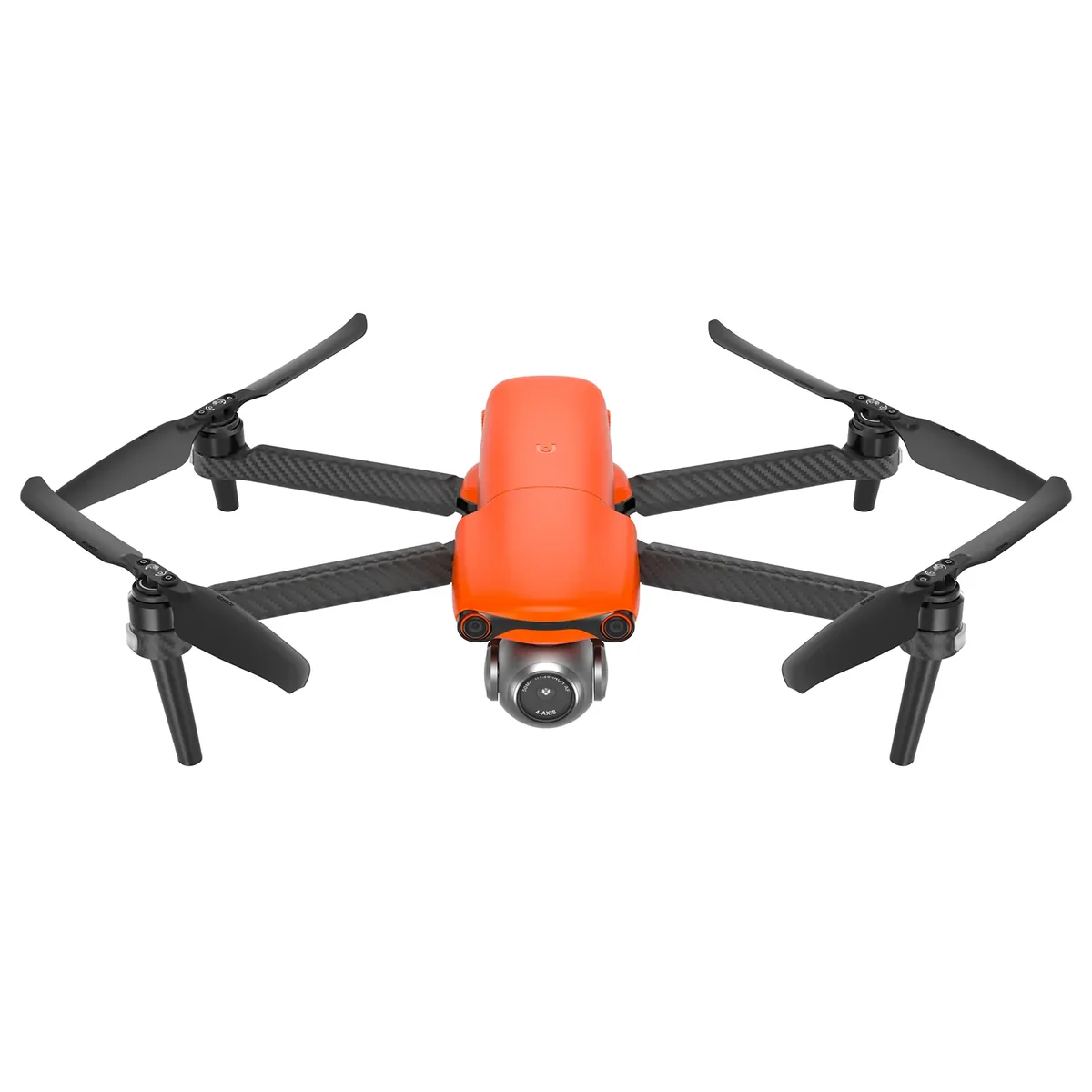
Autel EVO Lite
Same airframe as the EVO Lite+, different camera, and the difference cuts both ways. Where the plus model carries a one-inch 20MP sensor with a mechanical aperture and 6K recording, this one has a 1/1.28-inch 50MP chip that records 4K at 60 frames per second — half the sensor area, twice the frame rate, and a lot more resolution for stills. For anyone whose output is 4K60 rather than 6K, that is a reasonable trade at a couple of hundred dollars less. Everything structural is shared: 835 grams, 40 claimed minutes, 12 km of SkyLink, forward and backward sensing, and no manufacturer geofencing. So is the problem — Autel ended its consumer line in July 2025, and this is what remains on shelves.
The 250-gram line
Over 249 g: FAA registration is required ($5, 3 years) and needs a stick-on Remote ID broadcast module.
Every recreational flyer must also take TRUST and carry proof of it, at any weight. Rules checked against faa.gov on 2026-09-24. Not legal advice — how this is worked out.
What that 40-minute claim is measured at
Autel's 40 minutes is a still-air cruise figure with no published detail on camera settings or sensing state.
That works out to 3.5 claimed minutes per $100 of the base kit. Compared with the rest of the catalog.
Buying one in the US: limited
Checked 24 Sep 2026. Production and sales ended 18 Jul 2025 with the rest of Autel's consumer range; service is committed to 18 Jul 2030. Remaining retail stock only.
Specifications
True first-year cost: ~$1,149 — the base kit at ~$1,149; no crash-plan price has been verified for this model, so nothing is added for it.
What it has
- 1/1.28-inch 50MP sensor recording 4K/60
- Three-axis mechanical gimbal with a 10-bit log profile
- Forward, backward and downward obstacle sensing
- SkyLink 2.0 transmission rated to 12 km
- No manufacturer geofencing
- 6,000 m service ceiling
In its favour
- 4K/60 where the pricier Lite+ stops at 4K/30 on its larger sensor
- 50 megapixels for stills, well above the Lite+'s 20
- Forward and backward sensing plus a 12 km link
- No manufacturer geofencing and no dependence on DJI's import position
- A couple of hundred dollars below the Lite+
Against it
- Discontinued in July 2025 — batteries and accessories will thin out
- No built-in Remote ID, so an 835 g aircraft needs a broadcast module
- No adjustable aperture, unlike the Lite+
- Smaller sensor than the Lite+ despite the higher megapixel count
- Firmware and app development stopped with the product line
The two lists above are drawn from the manufacturer’s published specifications and from the cited reviews, not from owner reports.
What owners report
No owner discussion has been collected for the Autel EVO Lite yet. Rather than fill the gap with something plausible, this section stays empty until there is a real body of owner reports to read. The specs above come from the maker’s published documentation.
Autel EVO Lite, head-to-head
Shopped alongside it
More from Autel →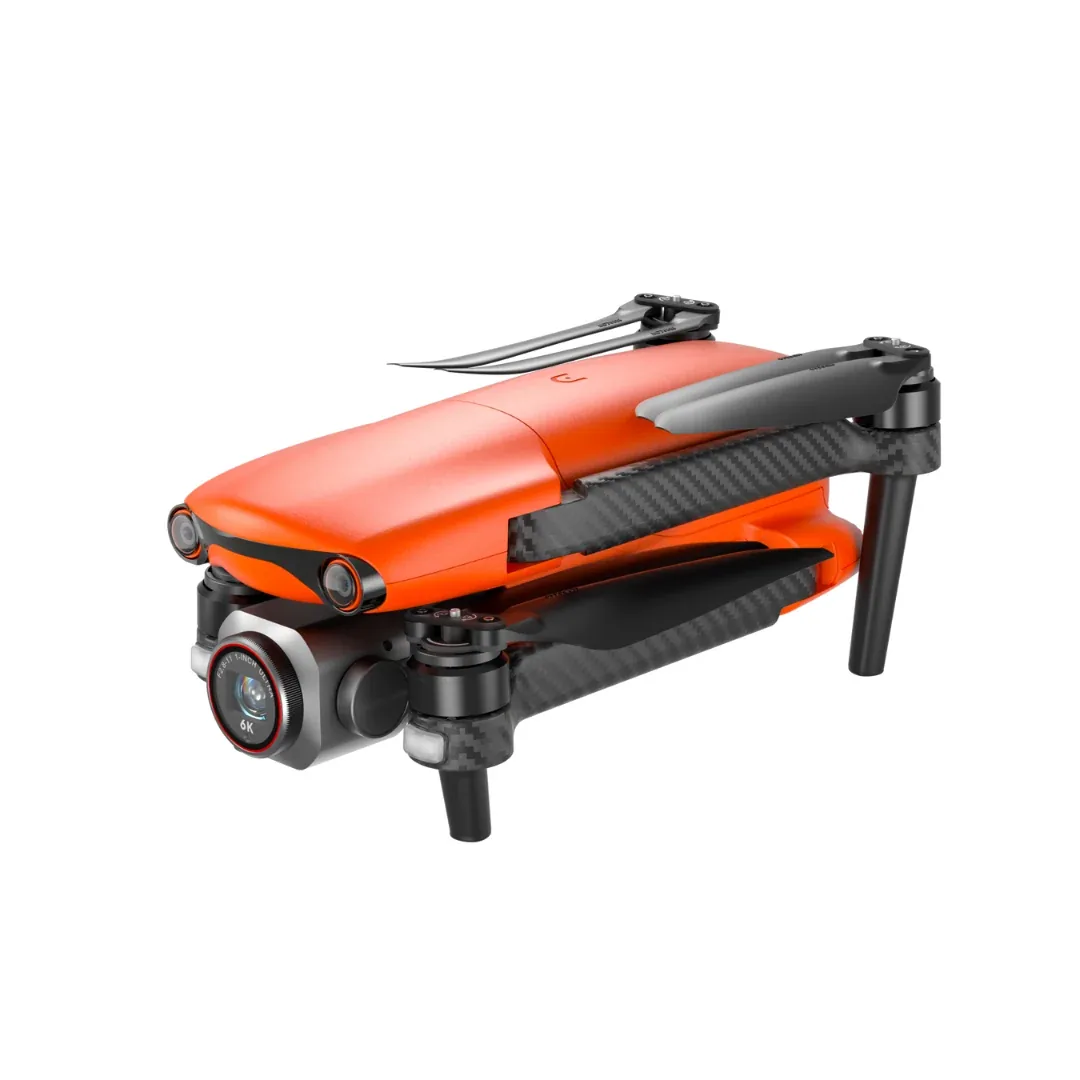
Autel
Autel EVO Lite+
Pair a one-inch sensor with an adjustable f/2.8-to-f/11 aperture and 6K recording and you have what was, for a while, the most interesting non-DJI camera drone of its generation, and it still shoots well. Autel's Moonlight algorithm pushes ISO absurdly high — the marketing claims up to 48,000 — which produces noisy but usable night frames that most rivals simply cannot attempt. Forty claimed minutes on a 43 Wh pack and a 12 km SkyLink link round it out, and as with every Autel there is no manufacturer geofencing. The reason to think hard before buying is the same as with the Nano+: Autel discontinued its whole consumer range in July 2025. Batteries, props and firmware for an 835-gram aircraft with a four-year-old app are not going to get easier to find, and at 835 grams it needs registration and a Remote ID solution either way.
- Sensor
- 116.2 mm²
- Claimed
- 40 min
- Bundle
- ~$1,499
Best for: One-inch night footage without DJI
Full spec sheet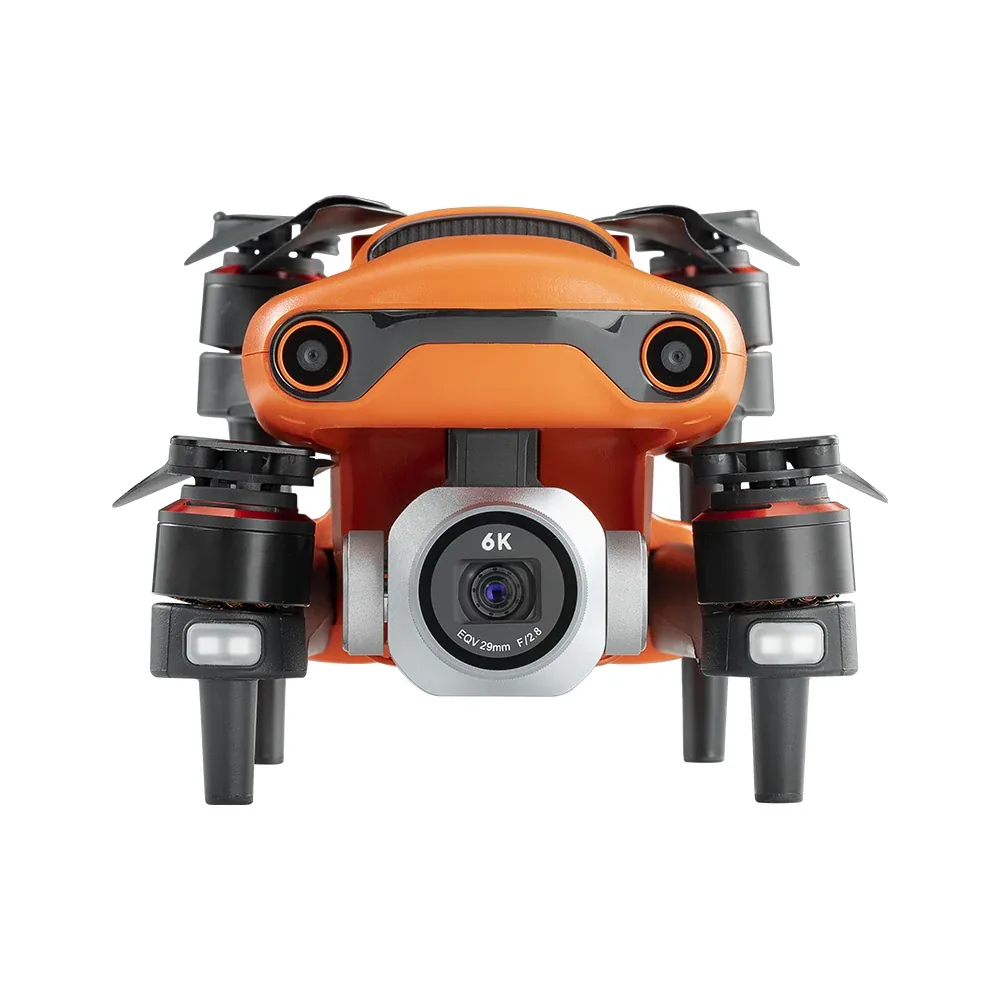
Autel
Autel EVO II Pro V3
This is the Autel that did not get cancelled, and the one American buyers keep circling back to now that DJI cannot restock. A one-inch 20MP sensor with an adjustable aperture, 6K/30 recording with 12-bit DNG stills, a 6.4-inch screened controller in the box, omnidirectional sensing, and a genuinely serious 82 Wh battery quoted at 40 minutes. Level 8 wind resistance and a 7,000 m ceiling put it well past what the consumer Mavics claim. It is also 1,191 grams, costs $2,099, and sits close enough to Autel's commercial range that the accessories and the pricing behave accordingly. If your reason for shopping is that you want a capable camera drone from a company that is still importing to the US, this is the shortest answer in the catalog.
- Sensor
- 116.2 mm²
- Claimed
- 40 min
- Base kit
- ~$2,099
Best for: Serious camera work from a maker still shipping to the US
Full spec sheet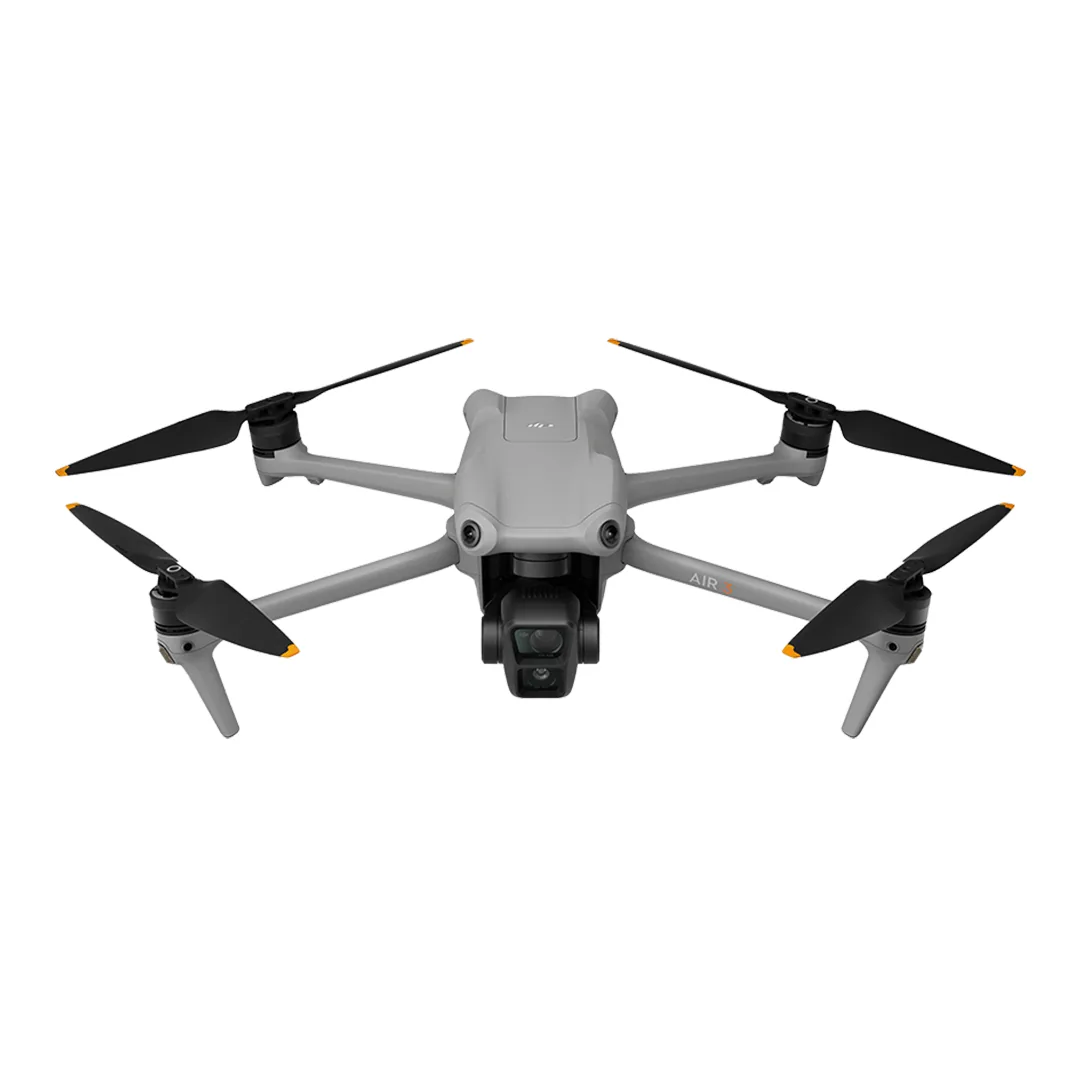
DJI
DJI Air 3
Two 1/1.3-inch cameras rather than one big one was the Air 3's bet, and for a lot of people it paid off. A 24mm wide and a 70mm medium telephoto share the same sensor size and the same 48 megapixels, so cutting between them does not produce the jarring quality drop that a small tele sensor causes. Both shoot 4K/60 HDR, 4K/100 slow motion and 10-bit D-Log M. Omnidirectional sensing, 46 claimed minutes on a 62.6 Wh pack and a 6,000 m ceiling make it the class workhorse it was meant to be. Read that 46 carefully, though: DJI quotes it with obstacle sensing switched off and the camera set to 1080p/24, which is not how anyone flies. The Air 3S replaced it with a one-inch wide camera and forward LiDAR, so the Air 3 is now the value pick in the line rather than the current one.
- Sensor
- 69.1 mm²
- Claimed
- 46 min
- Bundle
- ~$1,349
Best for: Long flights with two usable focal lengths
Full spec sheet