Autel EVO Nano+ vs Autel EVO Lite
These two sit on opposite sides of the 250-gram line, which is usually where the decision ends rather than begins. The Autel EVO Nano+ needs no FAA registration to fly recreationally; the Autel EVO Lite needs registration and Remote ID. The Autel EVO Nano+ is the cheaper of the two at ~$899.
| Drone | ||
|---|---|---|
| Bundle price | ~$899multi-battery bundle | ~$1,149base kit |
| True first-year price | ~$899 | ~$1,149 |
| Flight min per $100 | 3.1 | 3.5 |
| Rating | No cited rating | No cited rating |
| Takeoff weight | 249 g | 835 g |
| FAA registration | Not required | Required |
| Remote ID | Broadcast module | Broadcast module |
| Sensor size | 1/1.28" | 1/1.28" |
| Sensor area | 71.5 mm² | 71.5 mm² |
| Megapixels | 50 MP | 50 MP |
| Max video | 4K/30fps | 4K/60fps |
| Colour depth | 8-bit | 10-bit |
| Log profile | — | Log |
| Gimbal | 3-axis | 3-axis |
| Obstacle sensing | Forward + backward | Forward + backward |
| Claimed flight time | 28 min | 40 min |
| Tested flight time | — | — |
| Battery | 8.3 Wh | 43 Wh |
| Transmission | SkyLink 2.0 | SkyLink 2.0 |
| Max range | 10 km | 12 km |
| Max speed | 33 mph | 40 mph |
| Wind resistance | Level 5 (10.7 m/s) | Level 5 (10.7 m/s) |
| Service ceiling | 4000 m | 6000 m |
| Internal storage | None | 6 GB |
| Controller | Autel Smart Controller SE (phone required) | Autel Smart Controller SE (phone required) |
| Return to home | Yes | Yes |
| Geofencing | No | No |
| Care plan (1 yr) | Not in our snapshot | Not in our snapshot |
| US availability | Limited | Limited |
| Released | 2022 | 2022 |
| Flight claim measured at | Autel quotes 28 minutes with no published test conditions. Like every figure of this kind it assumes level cruising in still air rather than hovering to compose a shot. | Autel's 40 minutes is a still-air cruise figure with no published detail on camera settings or sensing state. |
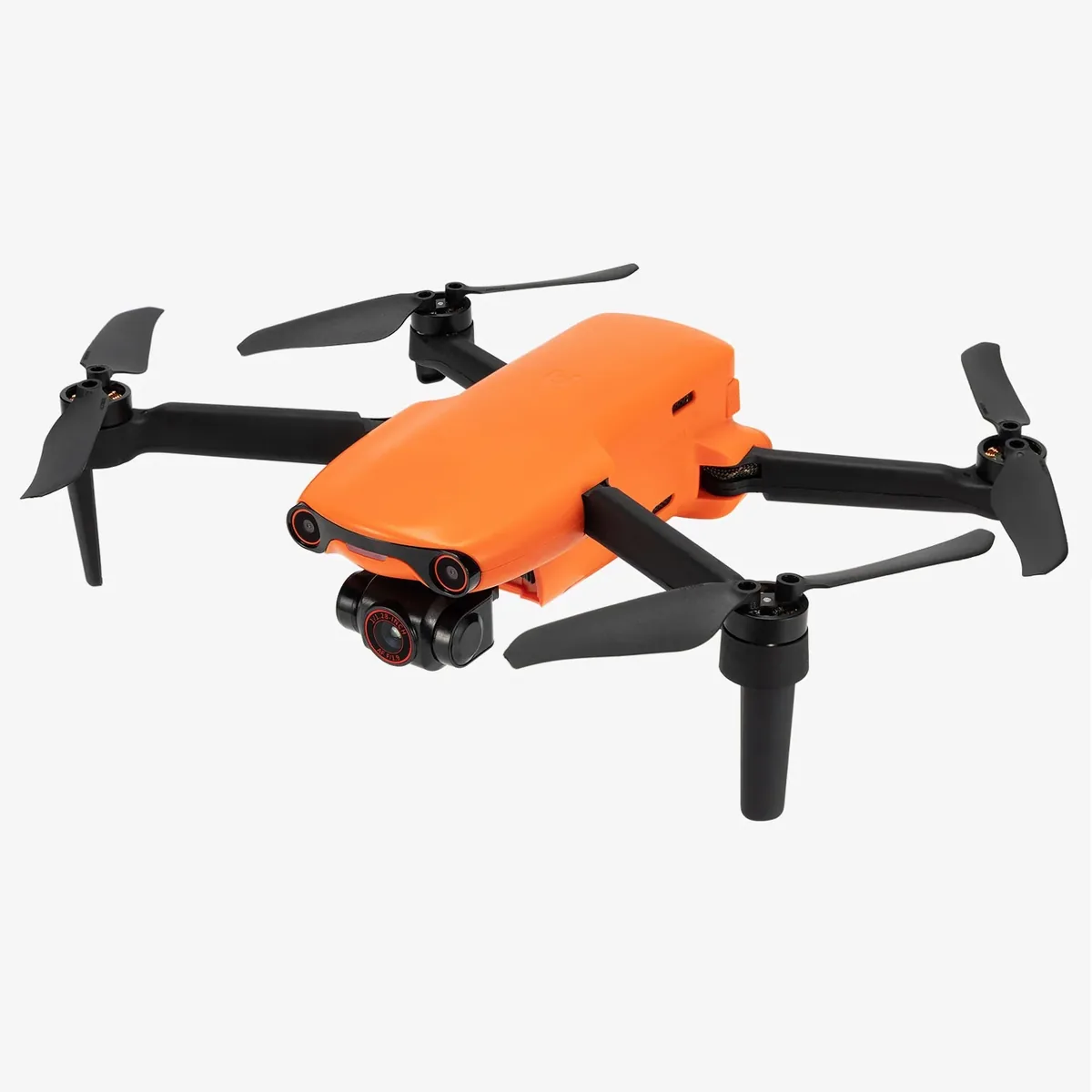
Autel EVO Nano+
For a couple of years this was the answer to "what if I don't want a DJI", and its selling point has not changed: 50 megapixels on a 1/1.28-inch sensor, three-axis stabilisation, three-way obstacle sensing and no geofencing, all under 249 grams. Autel has never locked its aircraft out of airspace the way DJI does, which some pilots consider the entire reason to buy one and which puts the responsibility for knowing where you may fly squarely on you. Video tops out at 4K/30 in 8-bit with no log profile, so this is a stills-first aircraft. The complication is corporate rather than technical: Autel ended production of the whole Nano and Lite line in July 2025, so you are buying remaining inventory from a company that has left the consumer market, with service promised to 2030. One practical note for anyone coming from DJI: the absence of geofencing means the aircraft will take off anywhere it has satellites, including places you must not fly. That is either the reason you are buying it or the reason you should not, and it is worth deciding which before the first flight rather than after.
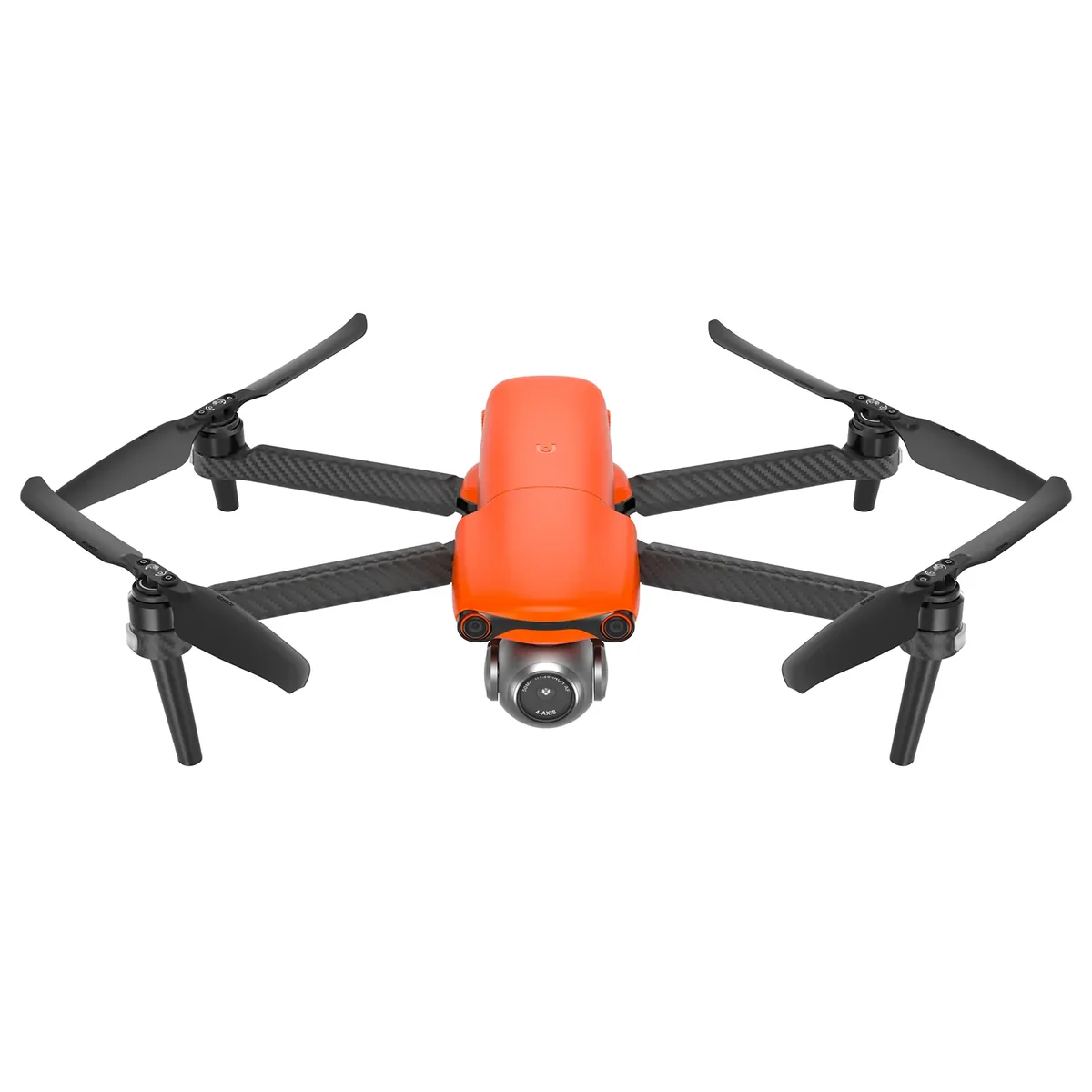
Full spec sheet →Autel EVO Lite
Same airframe as the EVO Lite+, different camera, and the difference cuts both ways. Where the plus model carries a one-inch 20MP sensor with a mechanical aperture and 6K recording, this one has a 1/1.28-inch 50MP chip that records 4K at 60 frames per second — half the sensor area, twice the frame rate, and a lot more resolution for stills. For anyone whose output is 4K60 rather than 6K, that is a reasonable trade at a couple of hundred dollars less. Everything structural is shared: 835 grams, 40 claimed minutes, 12 km of SkyLink, forward and backward sensing, and no manufacturer geofencing. So is the problem — Autel ended its consumer line in July 2025, and this is what remains on shelves.
Full spec sheet →