Potensic
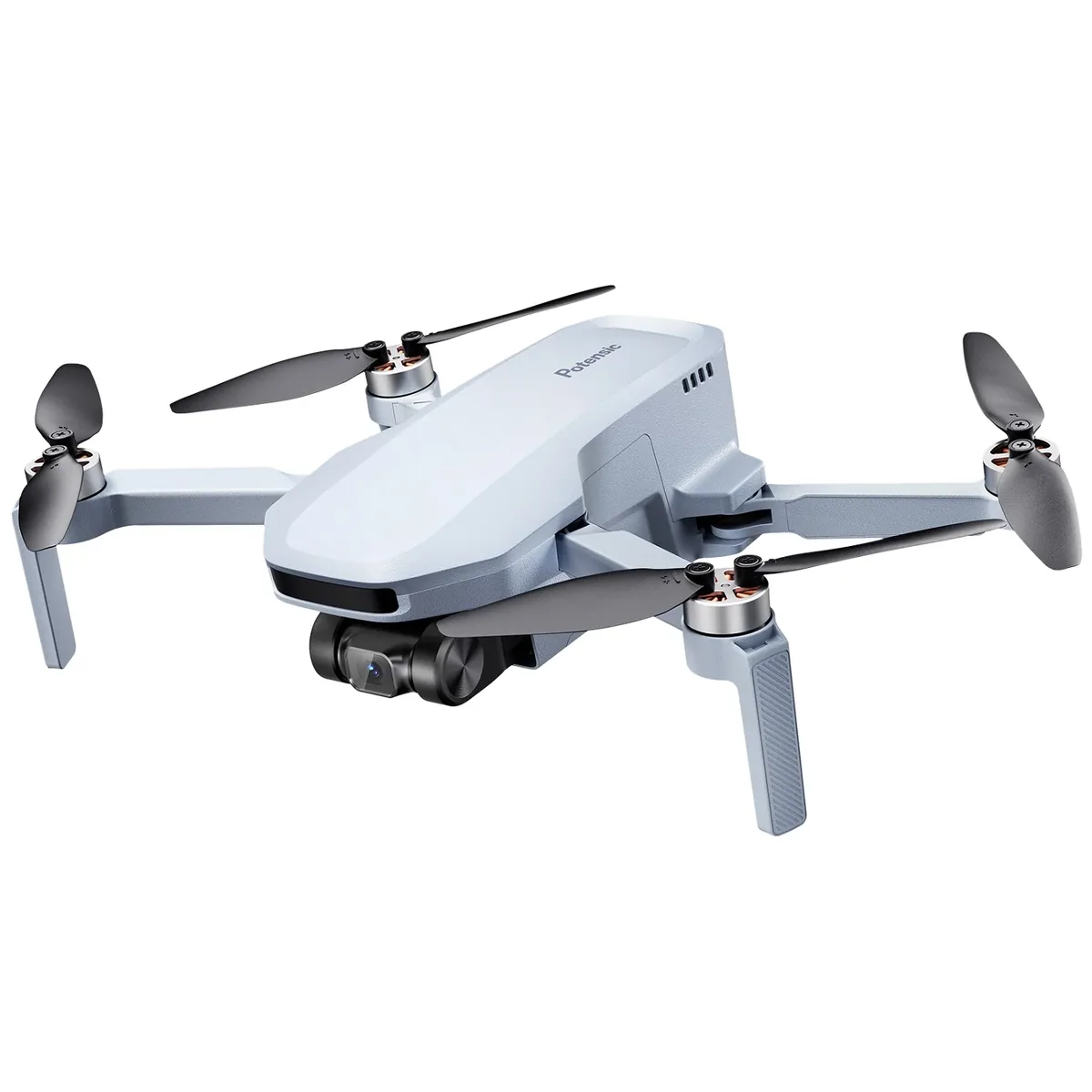
Potensic Atom SE
Electronic stabilisation, a 1/3-inch sensor and a brushless motor on every arm — that combination, at this price, is what made the Atom SE the default "first GPS drone" recommendation for a couple of years. It holds position on GPS, comes home on a low battery, flies at 16 m/s in Sport mode and records 4K/30 that looks fine on a phone and soft on anything bigger. There is no gimbal, so smoothness depends on software cropping and on you flying gently. The specification to read carefully is the flight time: Potensic's own figure is 31 minutes for one battery, while retail listings routinely headline "62 minutes", which is two batteries added together and not something any single flight will ever deliver.
The 250-gram line
Under 250 g: recreational flight needs no FAA registration, and Remote ID does not apply.
Every recreational flyer must also take TRUST and carry proof of it, at any weight. Rules checked against faa.gov on 2026-09-24. Not legal advice — how this is worked out.
What that 31-minute claim is measured at
Potensic quotes 31 minutes per 2,500 mAh battery. Retail listings often advertise "62 minutes", which is simply two batteries added together rather than a single flight.
That works out to 10.4 claimed minutes per $100 of the multi-battery bundle. Compared with the rest of the catalog.
Buying one in the US: sold
Checked 24 Sep 2026. Long-running budget model, still sold new in the US and frequently discounted well below list.
Specifications
True first-year cost: ~$299 — the multi-battery bundle at ~$299; no crash-plan price has been verified for this model, so nothing is added for it.
What it has
- Brushless motors at an entry price
- GPS position hold and return-to-home
- 4K/30 with electronic stabilisation
- PixSync 2.0 transmission rated to 4 km
- Three flight modes with a 16 m/s Sport setting
- Under 249 g takeoff weight
In its favour
- Brushless motors and GPS at a price where most rivals have neither
- Return-to-home makes a first flight genuinely low-stakes
- 245 g leaves a few grams of headroom under the registration line that the 249 g aircraft here do not have
- Heavily and regularly discounted below its own list price
Against it
- No gimbal — stabilisation is electronic and shows it in wind
- 1/3-inch sensor is the smallest in the catalog
- The "62 minute" figure in retail listings is two batteries, not one flight
- 4 km link is the shortest of any GPS drone here
- Nothing watches ahead, so return-to-home climbs and then flies a straight line through whatever is in it
The two lists above are drawn from the manufacturer’s published specifications and from the cited reviews, not from owner reports.
What owners report
Summarised from public owner discussions plus the dated, published sources listed at the end.
For a couple of years the Atom SE was the default answer to "what is the cheapest drone worth owning", and owner discussions still read that way. The things that matter on a first aircraft are all present: brushless motors, GPS hold, automatic return-to-home, and a modular battery. What is absent is a gimbal, and in any wind that is visible in the footage.
The price is the other half of the story. Owners report buying complete kits with cases at prices that make the question academic — one describes paying $80 on a whim and finding it reignited an interest in aerial photography that had been dormant for fifteen years. At that price the 1/3-inch sensor and the electronic stabilisation stop being criticisms and start being the terms of the deal.
What owners like
- Turns up at extraordinary discounts — owners report picking one up complete with a carry case for well under a hundred dollars
- Brushless motors and GPS return-to-home at a price where neither is assumed
- Under 249 grams, so nothing to register
- Owners returning to the hobby after years away describe it as the aircraft that reignited it
Common complaints
- No gimbal at all — stabilisation is electronic and shows in wind
- The 1/3-inch sensor is the smallest in this catalog
- Retail listings headline 62 minutes, which is simply two 31-minute batteries added together
- A 4 km link is the shortest of any GPS drone here
Questions owners ask
Does it fly for 62 minutes?
Is the lack of a gimbal a problem?
Is it worth buying at its discounted price?
Published sources: potensic.com, dronesgator.com
Potensic Atom SE, head-to-head
Shopped alongside it
More from Potensic →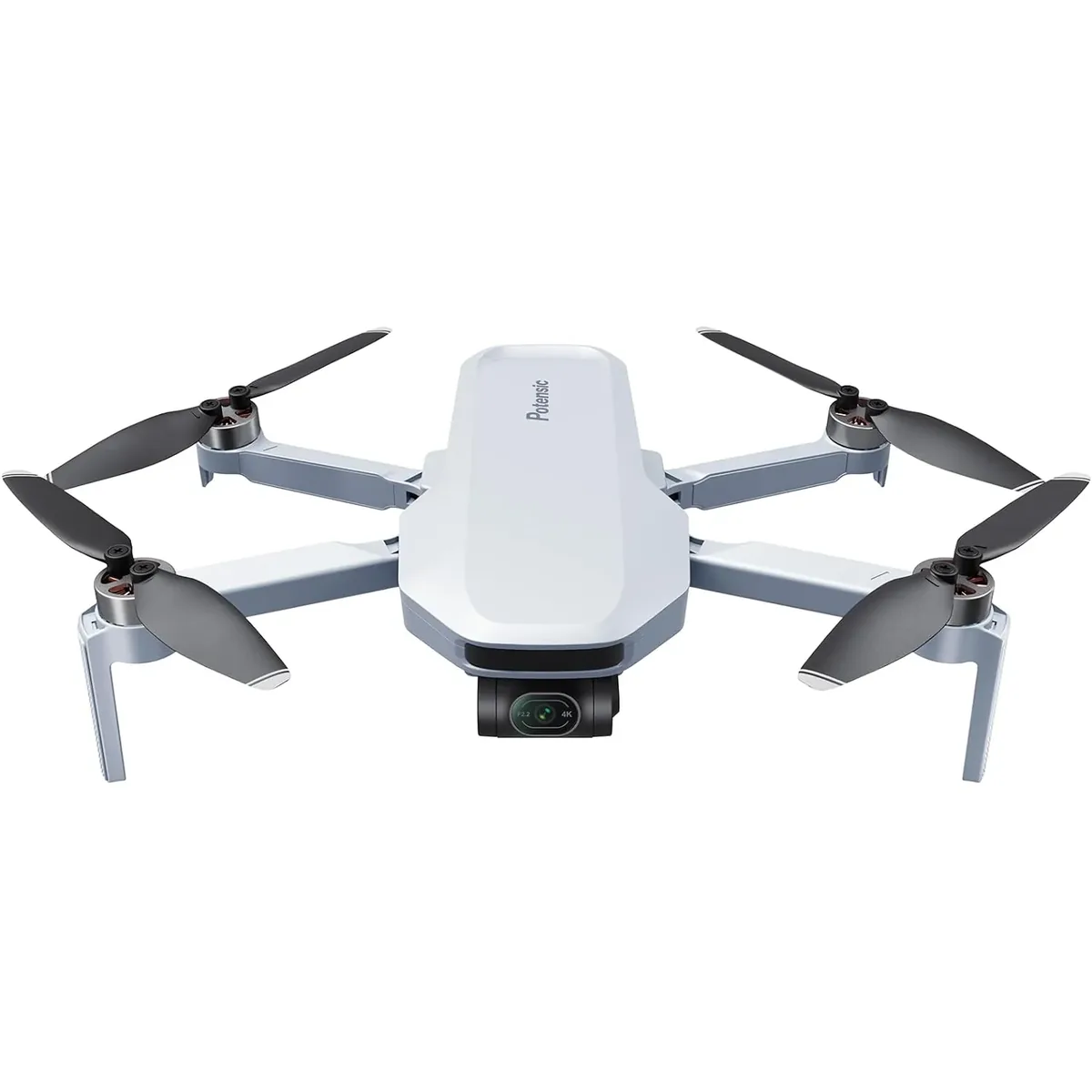
Potensic
Potensic Atom
Before the Atom 2 there was this, and the older model is still worth a look purely on price. Same sub-249-gram airframe, same three-axis gimbal, same GPS return-to-home and QuickShot moves, with a 1/2.3-inch 12MP sensor instead of the newer 1/2-inch 48MP one and PixSync 3.0 capped at 6 km rather than 10. Visual tracking will follow a walking subject or orbit it. What you are giving up against the Atom 2 is sensor area, HDR, vertical shooting and half the rated range — what you are gaining is roughly fifty dollars. For someone whose real question is "will this hold a steady shot without needing registration", the answer here is the same as the newer one, and neither has any obstacle sensing whatsoever.
- Sensor
- 28.1 mm²
- Claimed
- 32 min
- Bundle
- ~$359
Best for: The cheapest stable 4K in the catalog
Full spec sheet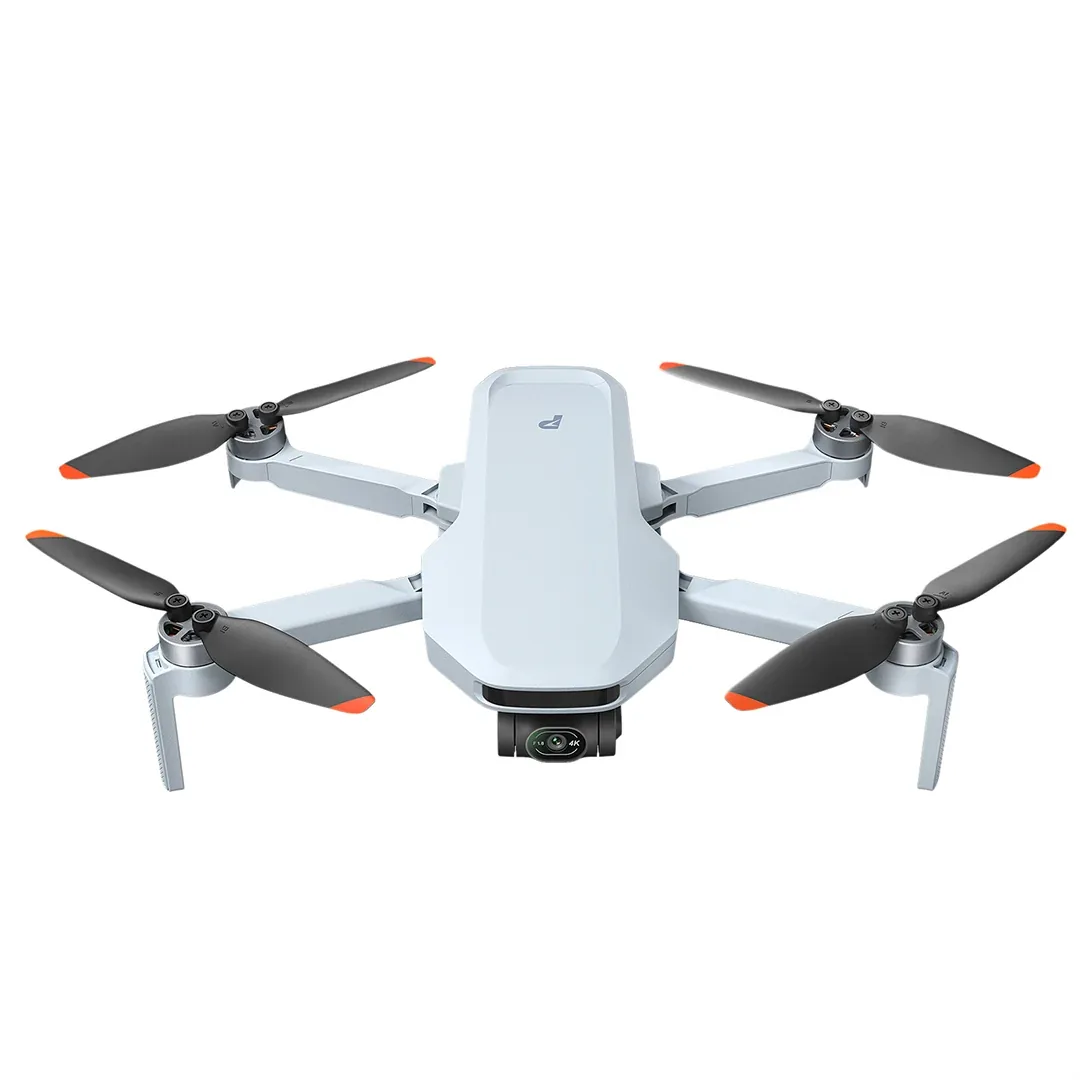
Potensic
Potensic Atom 2
Potensic's pitch is simple arithmetic: a three-axis gimbal, a 10 km link, waypoints and subject tracking for the price DJI charges for a Mini 4K with none of those things. The 1/2-inch 48MP sensor is genuinely smaller than the Mini's 1/1.3-inch chip, so the footage is a step behind in anything but good light, but the stabilisation is real and vertical shooting is supported. The flight-time claim is where this entry earns its place in the catalog: the box says 32 minutes, a reviewer could not get past 20 on any flight, and Potensic's own spokesperson put typical real-world endurance at around 20 minutes. That is the most clearly documented gap between claim and reality anywhere in this dataset, and it is worth knowing before you plan a session around three batteries. Two things to check before ordering: whether the Fly More bundle is genuinely cheaper than buying batteries later, because the discount varies week to week; and whether you need the screened RC PTD 1 controller, because the base kit's controller needs your phone and your phone's battery.
- Sensor
- 30.7 mm²
- Claimed
- 32 min
- Bundle
- ~$449
Best for: A gimballed first drone on a tight budget
Full spec sheet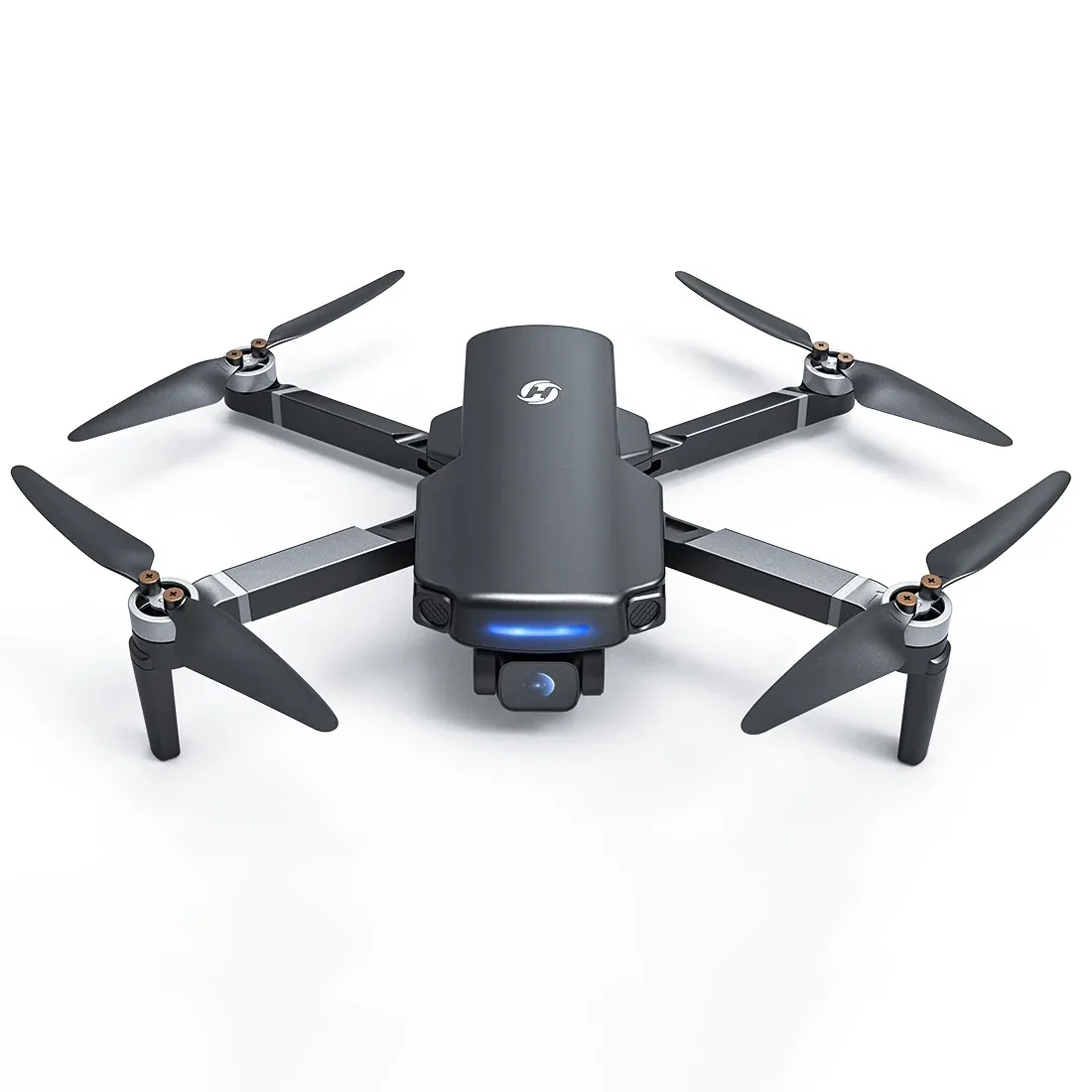
Holy Stone
Holy Stone HS360S
Two hundred dollars, GPS, optical-flow hold for indoor flying, a modular battery and 249 grams on the scale. Read the camera spec twice, though: the 1/3-inch GalaxyCore sensor records 4K at 20 frames per second, which is below the 24fps floor most people consider watchable and well below the 30fps everything else here manages. Stills at 4K resolution are fine. There is no gimbal and no obstacle sensing, and return-to-home fires automatically on low battery or lost link, which is the feature that keeps a first drone out of a tree line. As an aircraft to learn on in an open field before spending real money, it does the job; as a camera, it is the weakest in this catalog.
- Sensor
- 17.3 mm²
- Claimed
- 20 min
- Bundle
- ~$239
Best for: Learning to fly before spending real money
Full spec sheet