Potensic
Potensic Atom
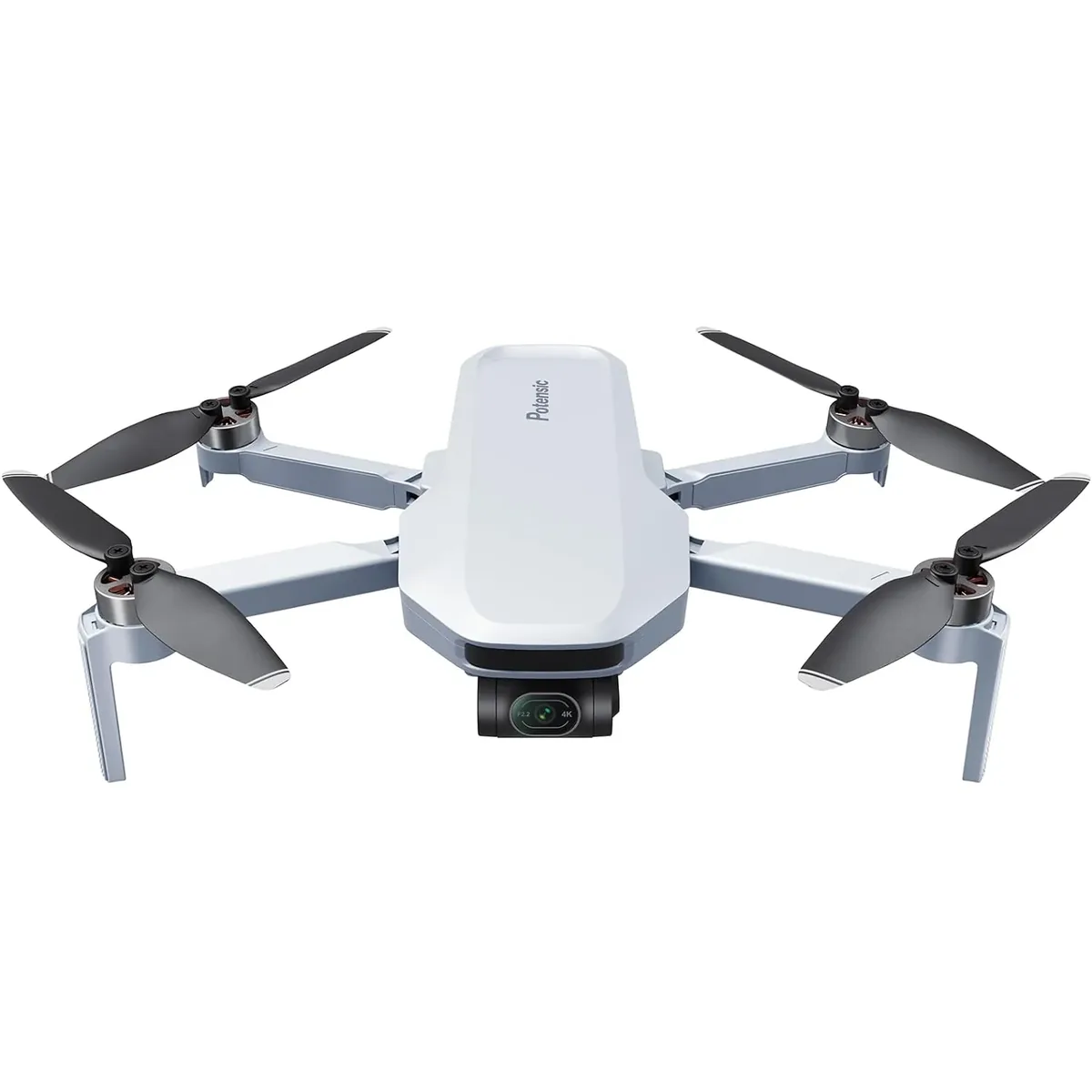
Before the Atom 2 there was this, and the older model is still worth a look purely on price. Same sub-249-gram airframe, same three-axis gimbal, same GPS return-to-home and QuickShot moves, with a 1/2.3-inch 12MP sensor instead of the newer 1/2-inch 48MP one and PixSync 3.0 capped at 6 km rather than 10. Visual tracking will follow a walking subject or orbit it. What you are giving up against the Atom 2 is sensor area, HDR, vertical shooting and half the rated range — what you are gaining is roughly fifty dollars. For someone whose real question is "will this hold a steady shot without needing registration", the answer here is the same as the newer one, and neither has any obstacle sensing whatsoever.
The 250-gram line
Under 250 g: recreational flight needs no FAA registration, and Remote ID does not apply.
Every recreational flyer must also take TRUST and carry proof of it, at any weight. Rules checked against faa.gov on 2026-09-24. Not legal advice — how this is worked out.
What that 32-minute claim is measured at
Potensic quotes 32 minutes per battery with no published test conditions. Its successor's claim of the same figure was measured at roughly 20 minutes in practice, which is a reasonable expectation here too.
That works out to 8.9 claimed minutes per $100 of the multi-battery bundle. Compared with the rest of the catalog.
Buying one in the US: sold
Checked 24 Sep 2026. Still sold new in the US alongside the Atom 2, generally at a discount to it.
Specifications
True first-year cost: ~$359 — the multi-battery bundle at ~$359; no crash-plan price has been verified for this model, so nothing is added for it.
What it has
- Three-axis mechanical gimbal
- 4K/30 video and 12MP stills
- PixSync 3.0 transmission rated to 6 km
- Visual subject tracking and orbit
- GPS return-to-home
- Under 249 g takeoff weight
In its favour
- Cheapest route in this catalog to a genuine three-axis mechanical gimbal
- Under 249 g, so no registration for recreational flying
- Visual tracking works without a subscription or a beacon
- Still in production, so batteries and props are easy to find
Against it
- 1/2.3-inch 12MP sensor — the smallest gimballed camera in the catalog
- No obstacle sensing at all
- 6 km link is half what the Atom 2 claims
- No published test conditions for the 32-minute figure
- No HDR and no vertical shooting mode
The two lists above are drawn from the manufacturer’s published specifications and from the cited reviews, not from owner reports.
What owners report
Summarised from public owner discussions plus the dated, published sources listed at the end.
The original Atom is the drone that established Potensic as something other than a toy brand, and owner discussions are notably warm about it. The recurring note is that it is a proper three-axis-gimbal aircraft at a price where that is not supposed to exist, under 249 grams, with tracking and QuickShot moves that work. People buying a first drone on a budget are its constituency and they mostly stay happy.
The caution that comes from owners is about automated behaviour on uneven ground. One describes following a car up a hill to a property at height, then finding the aircraft unable to land because it believed it was still at the lower altitude, and eventually watching it descend into a swimming pool on its way back to a home point recorded much further down. That is a failure mode worth knowing about on any GPS drone without terrain awareness, and it is the kind of thing no obstacle sensor would have prevented either.
What owners like
- Owners repeatedly frame it as the cheapest three-axis gimbal drone that is genuinely good rather than merely cheap
- Sub-249 grams with no registration and no Remote ID for recreational flight, which is a large part of why people buy it
- Visual tracking and orbit work without a subscription or a beacon
- Still in production, so props and batteries are easy to find
Common complaints
- No obstacle sensing, and owners have lost aircraft to automated landings misjudging terrain height on sloping ground
- The 1/2.3-inch 12MP sensor is the smallest gimballed camera in the catalog
- The 6 km link is half what the Atom 2 claims
- No published test conditions behind the 32-minute figure, and its successor's identical claim measured around 20
Questions owners ask
Atom or Atom 2?
What happens if I take off and land at different altitudes?
Do people give you trouble for flying it?
Published sources: store.potensic.com, techradar.com
Potensic Atom, head-to-head
Shopped alongside it
More from Potensic →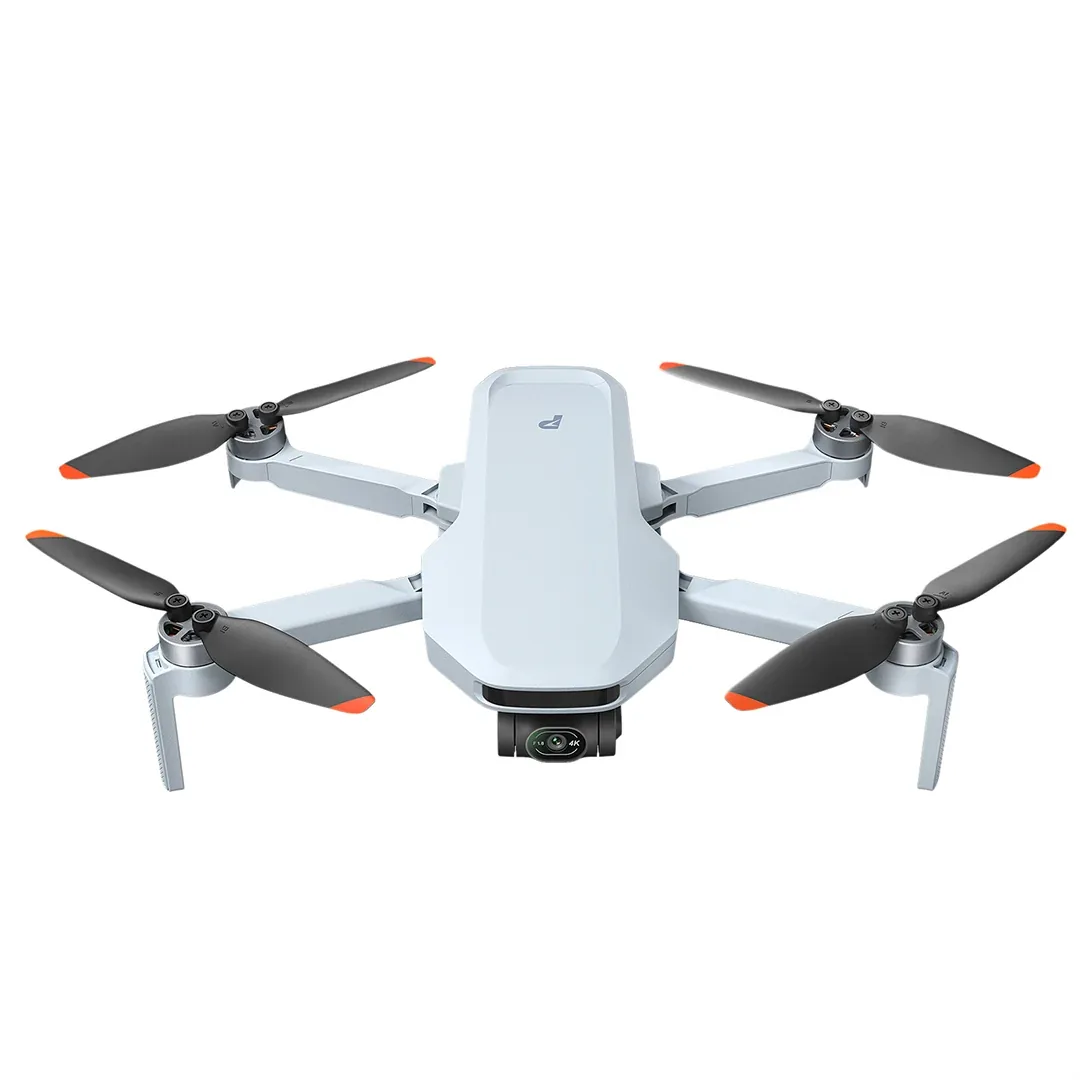
Potensic
Potensic Atom 2
Potensic's pitch is simple arithmetic: a three-axis gimbal, a 10 km link, waypoints and subject tracking for the price DJI charges for a Mini 4K with none of those things. The 1/2-inch 48MP sensor is genuinely smaller than the Mini's 1/1.3-inch chip, so the footage is a step behind in anything but good light, but the stabilisation is real and vertical shooting is supported. The flight-time claim is where this entry earns its place in the catalog: the box says 32 minutes, a reviewer could not get past 20 on any flight, and Potensic's own spokesperson put typical real-world endurance at around 20 minutes. That is the most clearly documented gap between claim and reality anywhere in this dataset, and it is worth knowing before you plan a session around three batteries. Two things to check before ordering: whether the Fly More bundle is genuinely cheaper than buying batteries later, because the discount varies week to week; and whether you need the screened RC PTD 1 controller, because the base kit's controller needs your phone and your phone's battery.
- Sensor
- 30.7 mm²
- Claimed
- 32 min
- Bundle
- ~$449
Best for: A gimballed first drone on a tight budget
Full spec sheet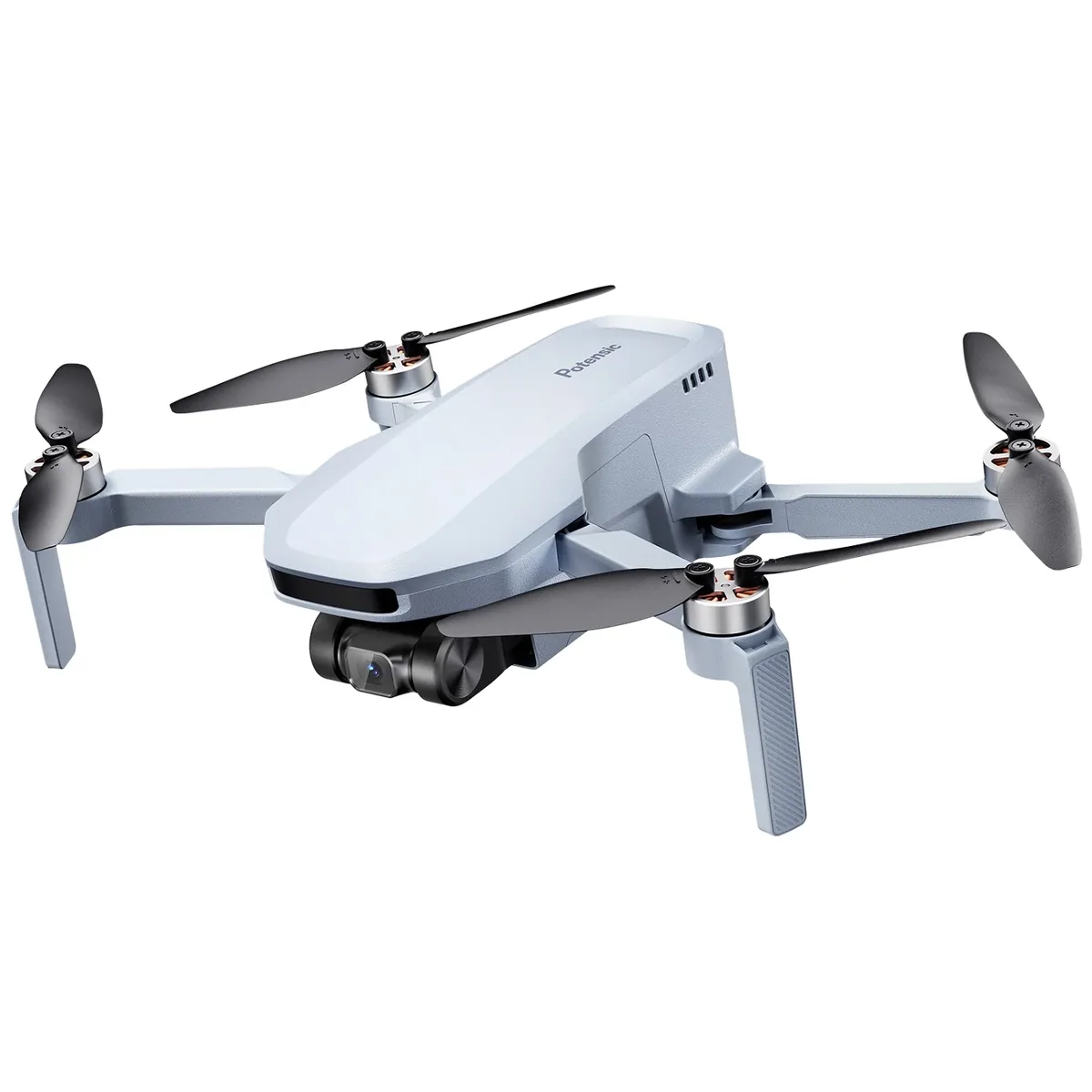
Potensic
Potensic Atom SE
Electronic stabilisation, a 1/3-inch sensor and a brushless motor on every arm — that combination, at this price, is what made the Atom SE the default "first GPS drone" recommendation for a couple of years. It holds position on GPS, comes home on a low battery, flies at 16 m/s in Sport mode and records 4K/30 that looks fine on a phone and soft on anything bigger. There is no gimbal, so smoothness depends on software cropping and on you flying gently. The specification to read carefully is the flight time: Potensic's own figure is 31 minutes for one battery, while retail listings routinely headline "62 minutes", which is two batteries added together and not something any single flight will ever deliver.
- Sensor
- 17.3 mm²
- Claimed
- 31 min
- Bundle
- ~$299
Best for: A first GPS drone under $250
Full spec sheetHoly Stone
Holy Stone HS900 Sirius
Holy Stone spent years making competent toys and then built this, which is the first of their aircraft that invites comparison with a Mini rather than with a hobby quadcopter. Three-axis brushless gimbal, a 48MP 1/2.3-inch Sony sensor, 6 km of transmission, subject tracking, built-in Remote ID and 249 grams on the nose. Reviewers have been noticeably warmer about it than about anything else in the brand's catalog. The gaps are still real: no obstacle sensing in any direction, a fixed-focus f/2.6 lens, and a measured 22 minutes against a 30-minute claim. At roughly half a Mini 4 Pro's price with a real gimbal and real Remote ID, though, it is the most credible budget alternative here.
- Sensor
- 28.1 mm²
- Claimed
- 30 min
- Bundle
- ~$420
Best for: The best-equipped sub-$400 camera drone
Full spec sheet