9 drones · 5 brands
Beginner / budget
GPS position hold, brushless motors and automatic return-to-home, at prices where none of those can be assumed. What is consistently missing is obstacle sensing and, in a few cases, an honest frame rate: read the video specification rather than the word 4K, because one aircraft here records it at fifteen frames per second and another calls 2,688 by 1,512 a 4K camera.
- Price range
- ~$170–~$450
- Under 250 g
- 4 of 9
- Cheapest
- ~$170Holy Stone HS175D
- Longest claim
- 31 minDJI Mini 2 SE
Holy Stone
Holy Stone HS720G
A two-axis motorised gimbal plus electronic stabilisation, brushless motors, GPS return-to-home and built-in Remote ID — for a drone that has been on shelves since 2022, the feature list holds up better than the numbers behind it. Range is the giveaway: the controller is rated at roughly a kilometre, a fraction of what the newer sub-250 gram models claim, and there is no obstacle sensing. At 380 grams it also crosses the registration line, which means $5 to the FAA, a TRUST certificate and Remote ID that this aircraft at least provides itself. Two batteries come in the box, which is where the "52 minute" figure on the packaging comes from; a single flight is 26.
- Sensor
- 28.1 mm²
- Claimed
- 26 min
- Base kit
- ~$300
Best for: A first drone where two batteries matter more than range
Full spec sheet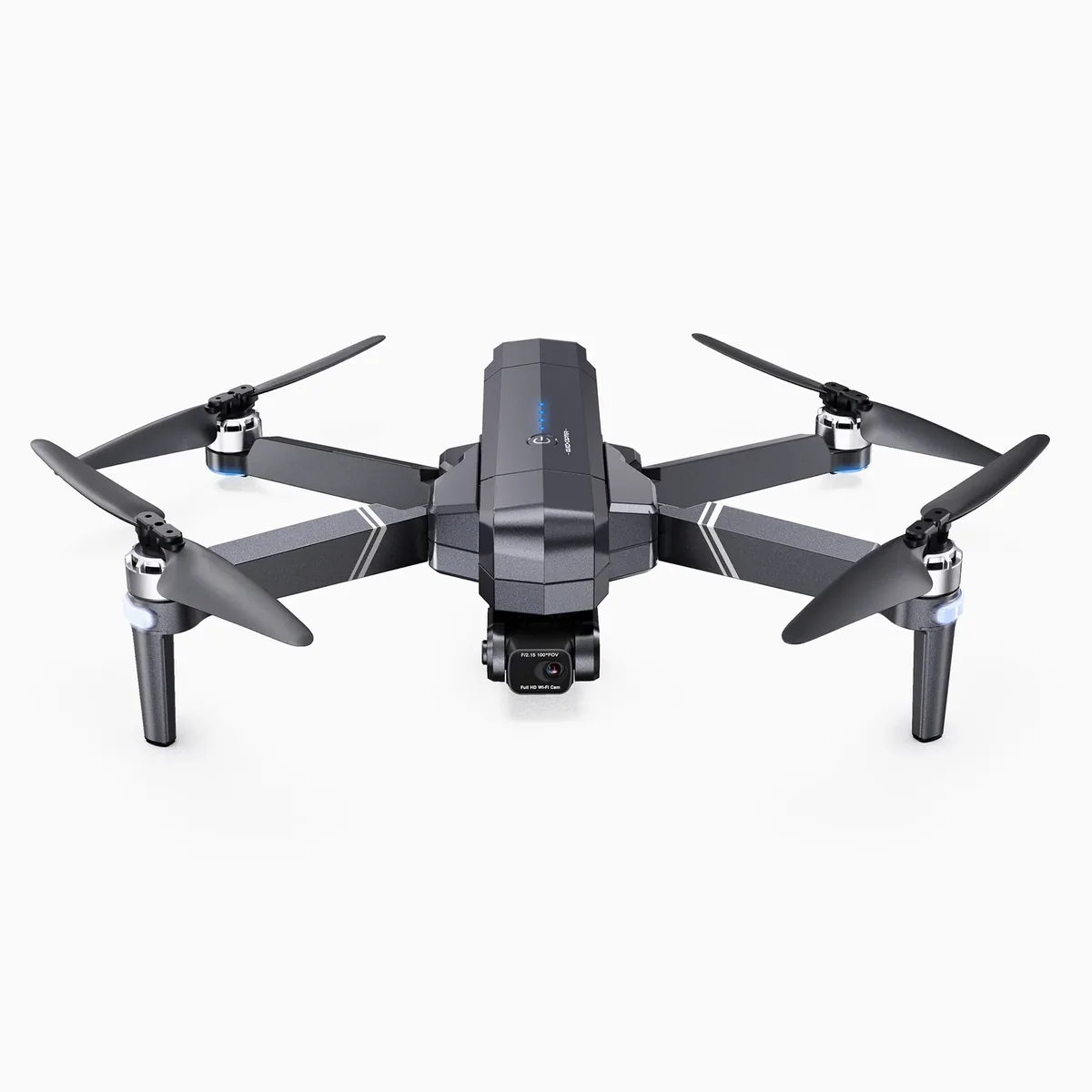
Ruko
Ruko F11GIM2
Ruko's flagship pairs a two-axis mechanical gimbal with electronic stabilisation on the third axis, which is a sensible compromise that the marketing then describes as "3-axis". Read the listings carefully and you will find both claims on the same page. The rest is solid enough: 48MP stills, 4K/30, roughly 5 km of transmission, Level 6 wind resistance and two batteries as standard. At 585 grams it is well over the registration line, so budget for the $5 FAA registration and a TRUST certificate, and check whether the unit you buy broadcasts Remote ID, because Ruko does not state it. The flight-time marketing is the usual pattern — a "64 minute" headline that is two packs added together, from a maker who quotes 28 per pack.
- Sensor
- 28.1 mm²
- Claimed
- 28 min
- Base kit
- ~$450
Best for: Windy days on a budget, if you don't mind registering
Full spec sheet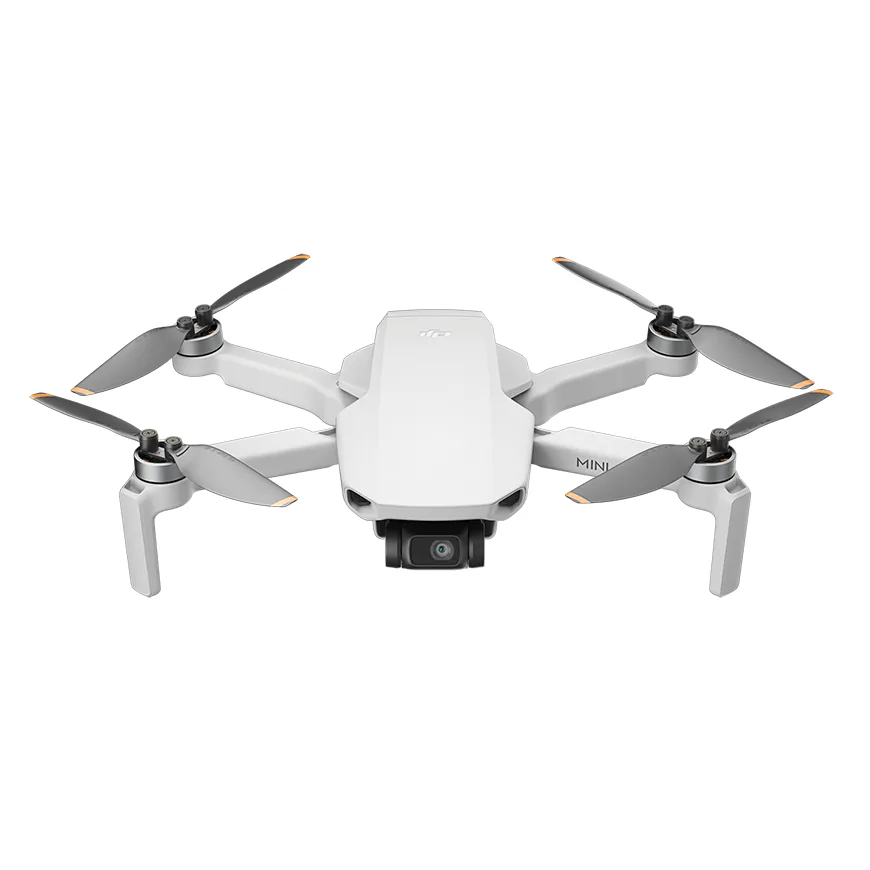
DJI's cheapest way into the ecosystem for two years running, and the model the Mini 4K was built to replace. Identical airframe, identical three-axis gimbal, identical O2 link to 10 km and the same 1/2.3-inch 12MP sensor — the only meaningful difference is that this one stops at 2.7K where the newer one records 4K. Both sit at $299, which makes the choice between them a short conversation unless the Mini 2 SE turns up substantially discounted. Everything that makes a Mini easy is here: GPS hold, automatic return-to-home, Level 5 wind resistance and a weight that keeps it out of the registration system. Everything a Mini lacks at this price is here too, chiefly any obstacle sensing at all.
- Sensor
- 28.1 mm²
- Claimed
- 31 min
- Bundle
- ~$399
Best for: The cheapest DJI, if it is discounted
Full spec sheet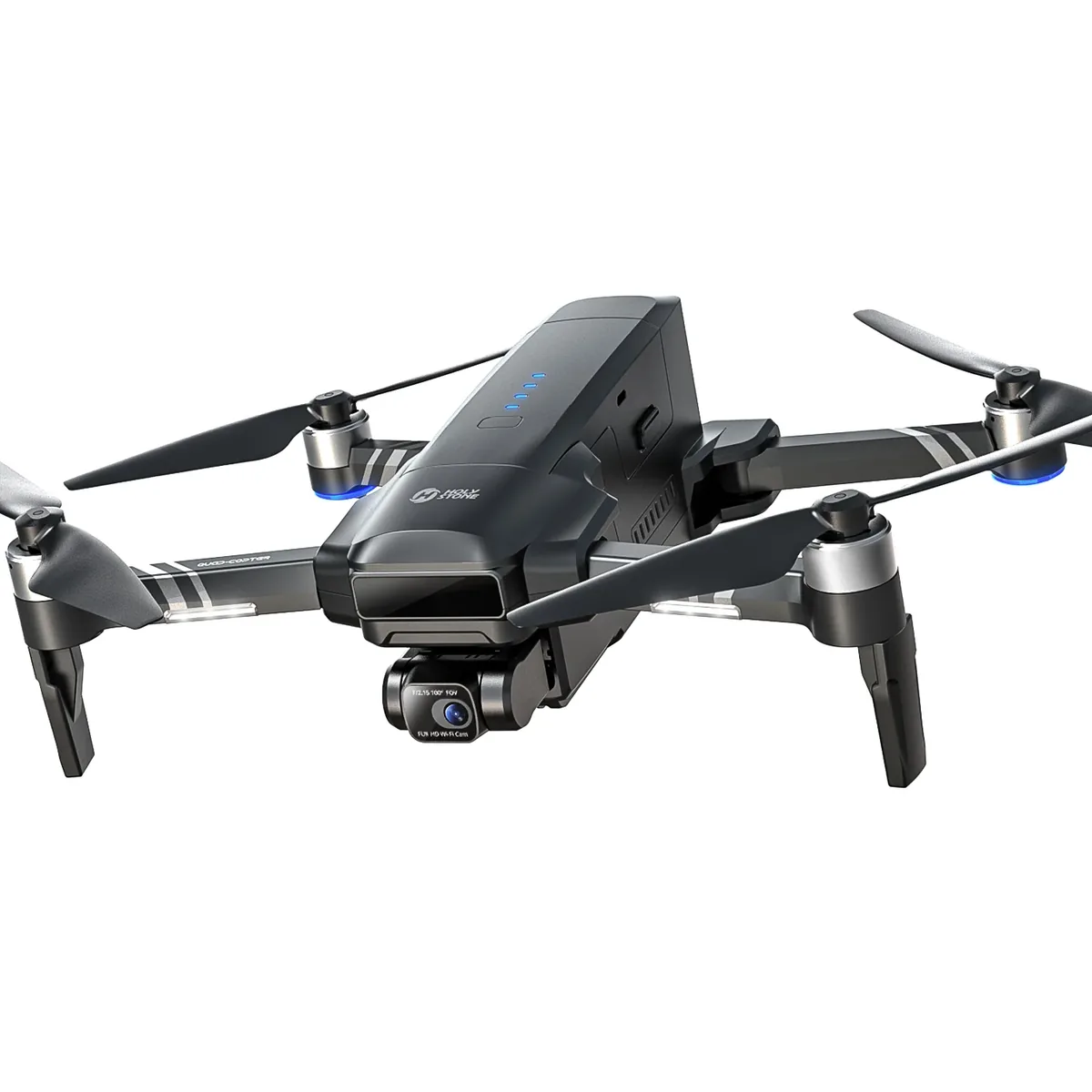
Holy Stone
Holy Stone HS600
Sitting a step below the sub-250-gram HS900 in Holy Stone's range and a step above it in weight, this is the brand's answer for people who want reach rather than a registration exemption. Two-axis gimbal plus electronic stabilisation on the roll axis, a 48MP 1/2.3-inch sensor, integrated Remote ID, Level 6 wind resistance and roughly 6 km of transmission. Two batteries come in the box, which is the source of the 56-minute figure in the listings — a single flight is about 28. At 541 grams the registration, TRUST certificate and Remote ID obligations all apply, and the aircraft at least handles the last of those itself. There is no obstacle sensing, which at this weight and speed is the specification most worth noticing.
- Sensor
- 28.1 mm²
- Claimed
- 28 min
- Base kit
- ~$370
Best for: Range and wind resistance under $400
Full spec sheet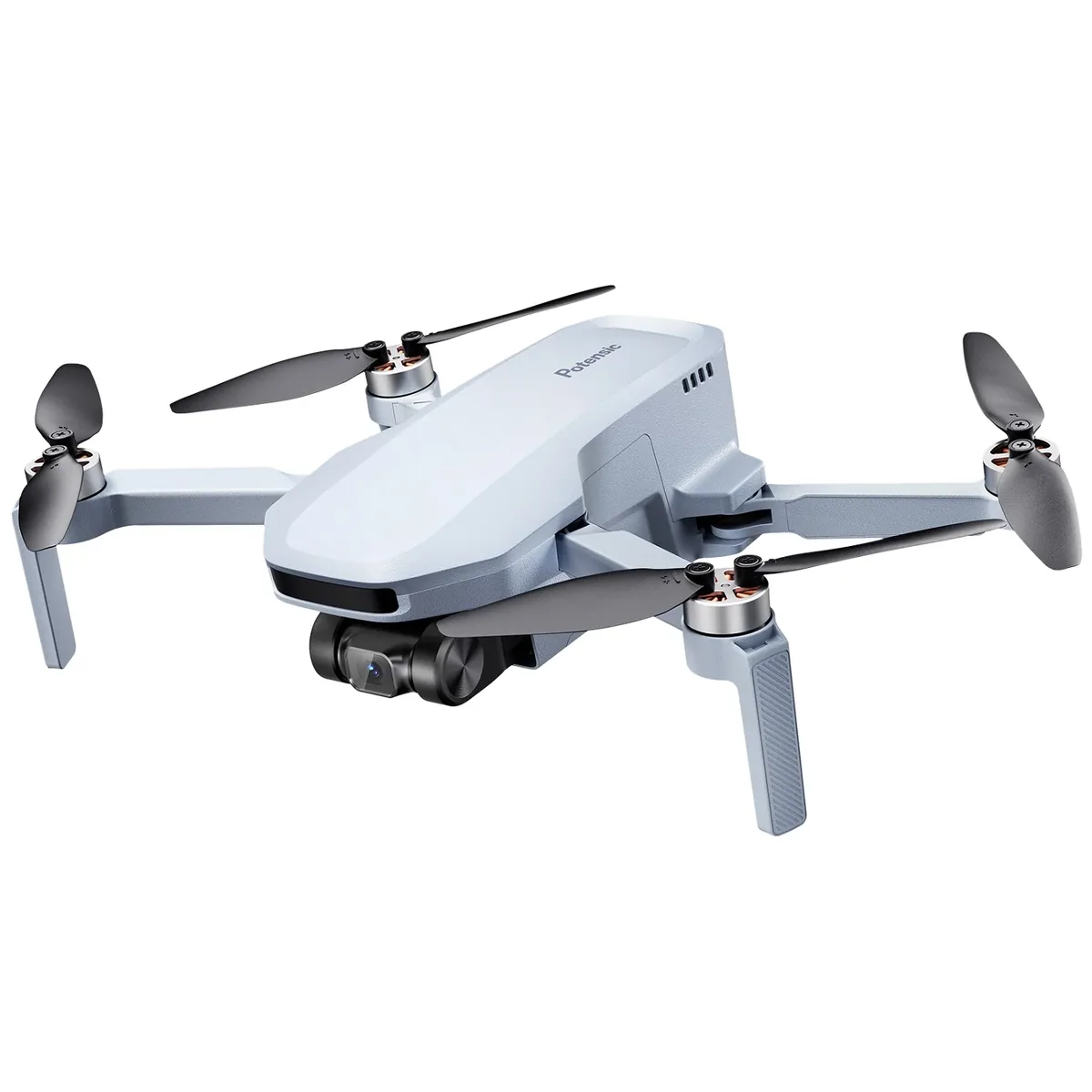
Potensic
Potensic Atom SE
Electronic stabilisation, a 1/3-inch sensor and a brushless motor on every arm — that combination, at this price, is what made the Atom SE the default "first GPS drone" recommendation for a couple of years. It holds position on GPS, comes home on a low battery, flies at 16 m/s in Sport mode and records 4K/30 that looks fine on a phone and soft on anything bigger. There is no gimbal, so smoothness depends on software cropping and on you flying gently. The specification to read carefully is the flight time: Potensic's own figure is 31 minutes for one battery, while retail listings routinely headline "62 minutes", which is two batteries added together and not something any single flight will ever deliver.
- Sensor
- 17.3 mm²
- Claimed
- 31 min
- Bundle
- ~$299
Best for: A first GPS drone under $250
Full spec sheet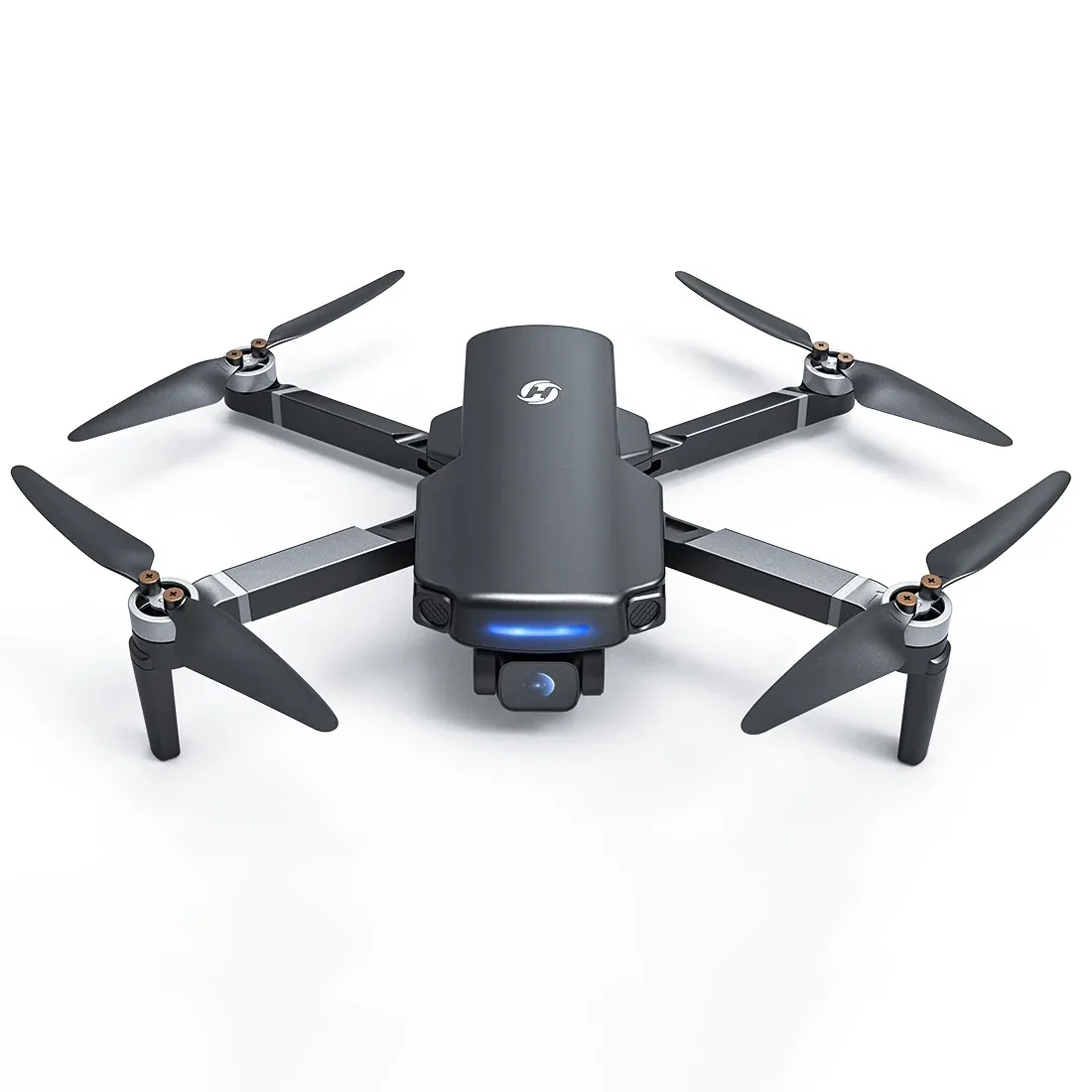
Holy Stone
Holy Stone HS360S
Two hundred dollars, GPS, optical-flow hold for indoor flying, a modular battery and 249 grams on the scale. Read the camera spec twice, though: the 1/3-inch GalaxyCore sensor records 4K at 20 frames per second, which is below the 24fps floor most people consider watchable and well below the 30fps everything else here manages. Stills at 4K resolution are fine. There is no gimbal and no obstacle sensing, and return-to-home fires automatically on low battery or lost link, which is the feature that keeps a first drone out of a tree line. As an aircraft to learn on in an open field before spending real money, it does the job; as a camera, it is the weakest in this catalog.
- Sensor
- 17.3 mm²
- Claimed
- 20 min
- Bundle
- ~$239
Best for: Learning to fly before spending real money
Full spec sheet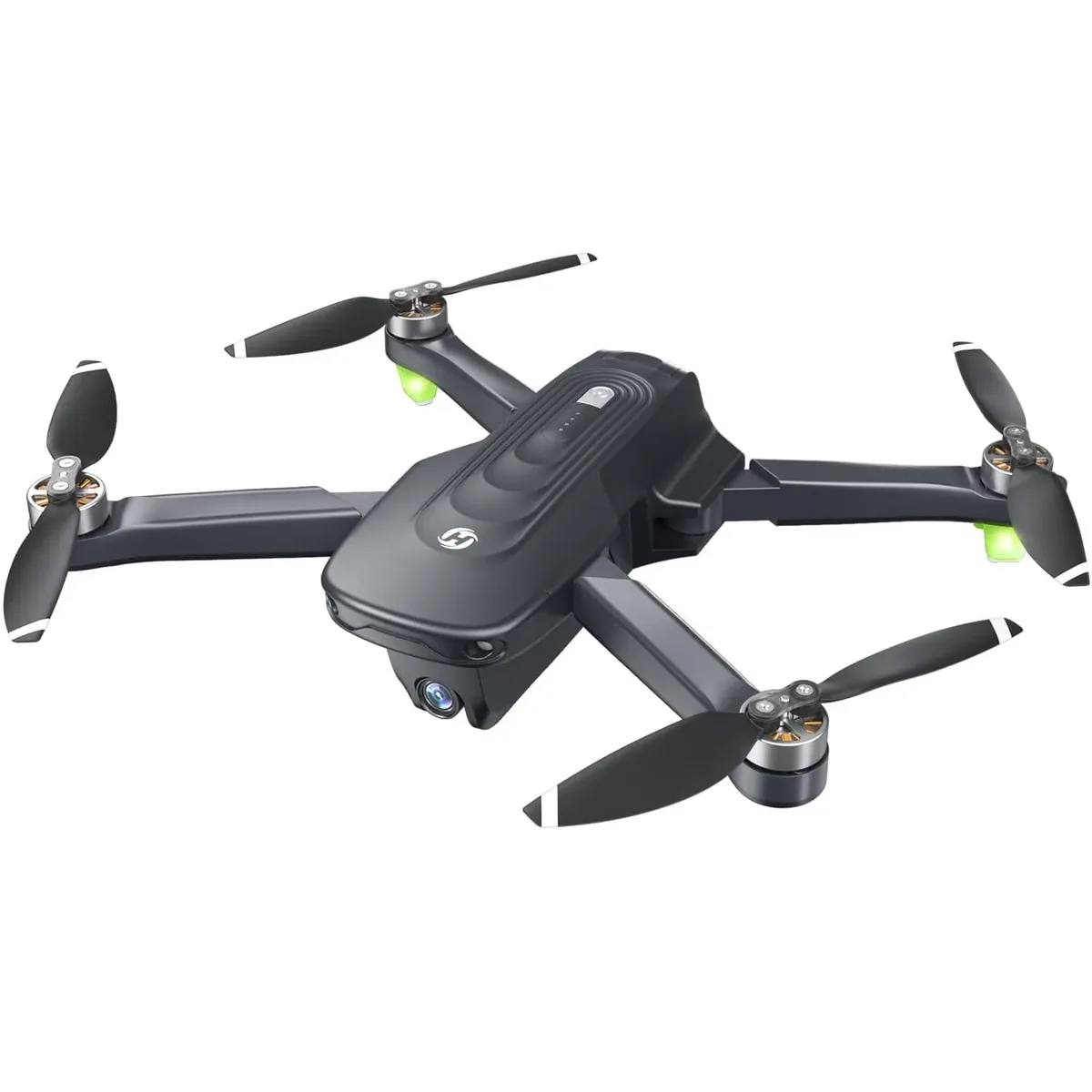
Holy Stone
Holy Stone HS175D
Worth including mainly as a warning about how the word "4K" gets used at the bottom of this market. Holy Stone's listings put 4K on the box, and the aircraft will indeed produce a 4096x3072 still image — but video tops out at 2,688 by 1,512 at 25 frames per second, which is 2.7K, not 4K, and below 30fps. Everything else is what $170 buys in 2026: brushless motors, GPS hold, return-to-home, a 90-degree manually adjustable lens with no gimbal at all, and about a kilometre of range. Two batteries come in the box, which is where the advertised 46 minutes comes from. At 215 grams it stays under the registration line, and as a genuinely cheap way to learn stick control outdoors, it still works.
- Sensor
- 17.3 mm²
- Claimed
- 23 min
- Base kit
- ~$170
Best for: The cheapest way to learn stick control outdoors
Full spec sheet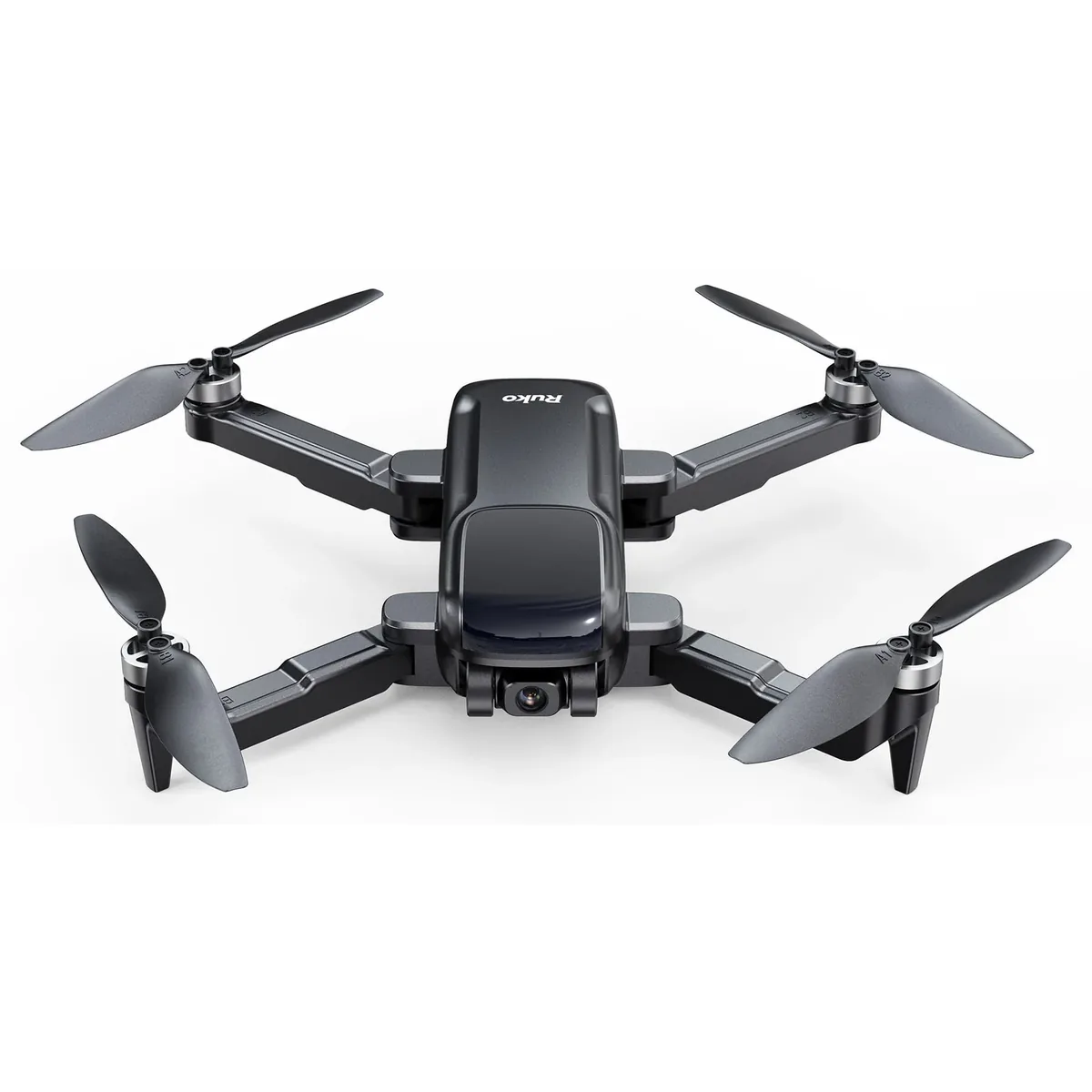
Ruko
Ruko U11 Pro
Aimed squarely at somebody buying their first drone as a gift, and priced like it. GPS hold, automatic return-to-home, indoor and outdoor modes, waypoint flying and two batteries for around $230. What it does not have is a gimbal, and the 500-metre control range is short even by budget standards — that is a park, not a landscape. At 270 grams it lands just over the registration threshold, which is a genuinely annoying place to be: you pay the $5, take TRUST and need a Remote ID answer, for an aircraft 21 grams heavier than the ones that need none of it. If the weight is the only thing between you and a licence-free flight, several drones in this catalog do the same job under 249 grams.
- Sensor
- 17.3 mm²
- Claimed
- 26 min
- Base kit
- ~$230
Best for: A first drone bought as a gift
Full spec sheet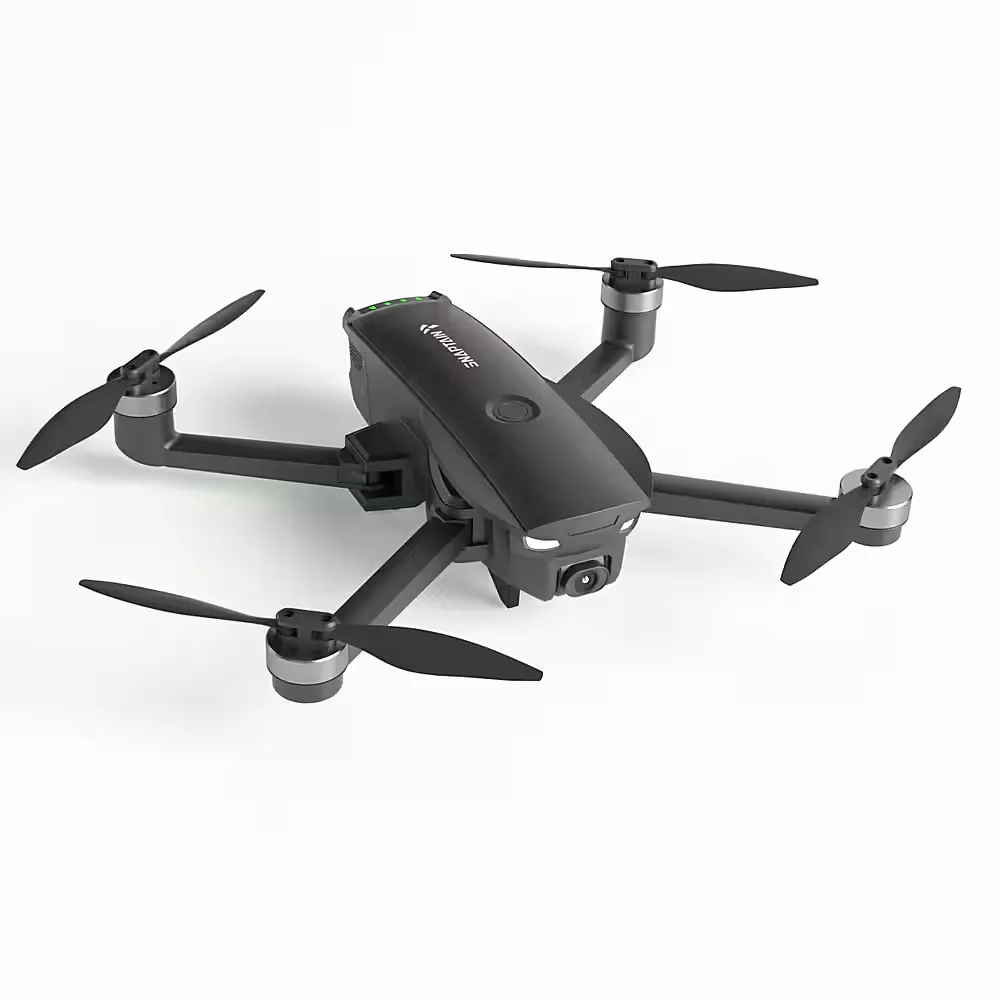
Snaptain
Snaptain SP7100
Here is the clearest example in the catalog of why frame rate belongs on a spec sheet next to resolution. Snaptain's SP7100 records 3,840 by 2,160 — genuinely 4K — at fifteen frames per second. Fifteen. Panning produces a slideshow, and there is no gimbal, only a rubber shock mount and a camera you can tilt through 90 degrees from the controller. GPS, brushless motors, return-to-home and a foldable airframe are all present and work as advertised. At 500 grams it needs registration, TRUST and a Remote ID answer that the maker does not give. It is in this catalog so that a shopper comparing "4K drones under $200" can see what the frame rate column does to that comparison.
- Sensor
- 17.3 mm²
- Claimed
- 26 min
- Base kit
- ~$200
Best for: Seeing what a 4K spec omits
Full spec sheet