11 drones · 5 brands
Sub-250 g camera
Everything here is designed against a legal number rather than an engineering one. Two hundred and fifty grams is where FAA registration and Remote ID begin, so these aircraft stop at 249 — and the design work goes into how much camera, sensing and battery can be fitted under that ceiling. The catch appears twice: in wind, where a quarter-kilo aircraft is simply light, and in the extended batteries several of these offer, which buy twenty more minutes and cost you the exemption.
- Price range
- ~$279–~$1,599
- Under 250 g
- 11 of 11
- Cheapest
- ~$279Potensic Atom
- Longest claim
- 38 minDJI Mini 3
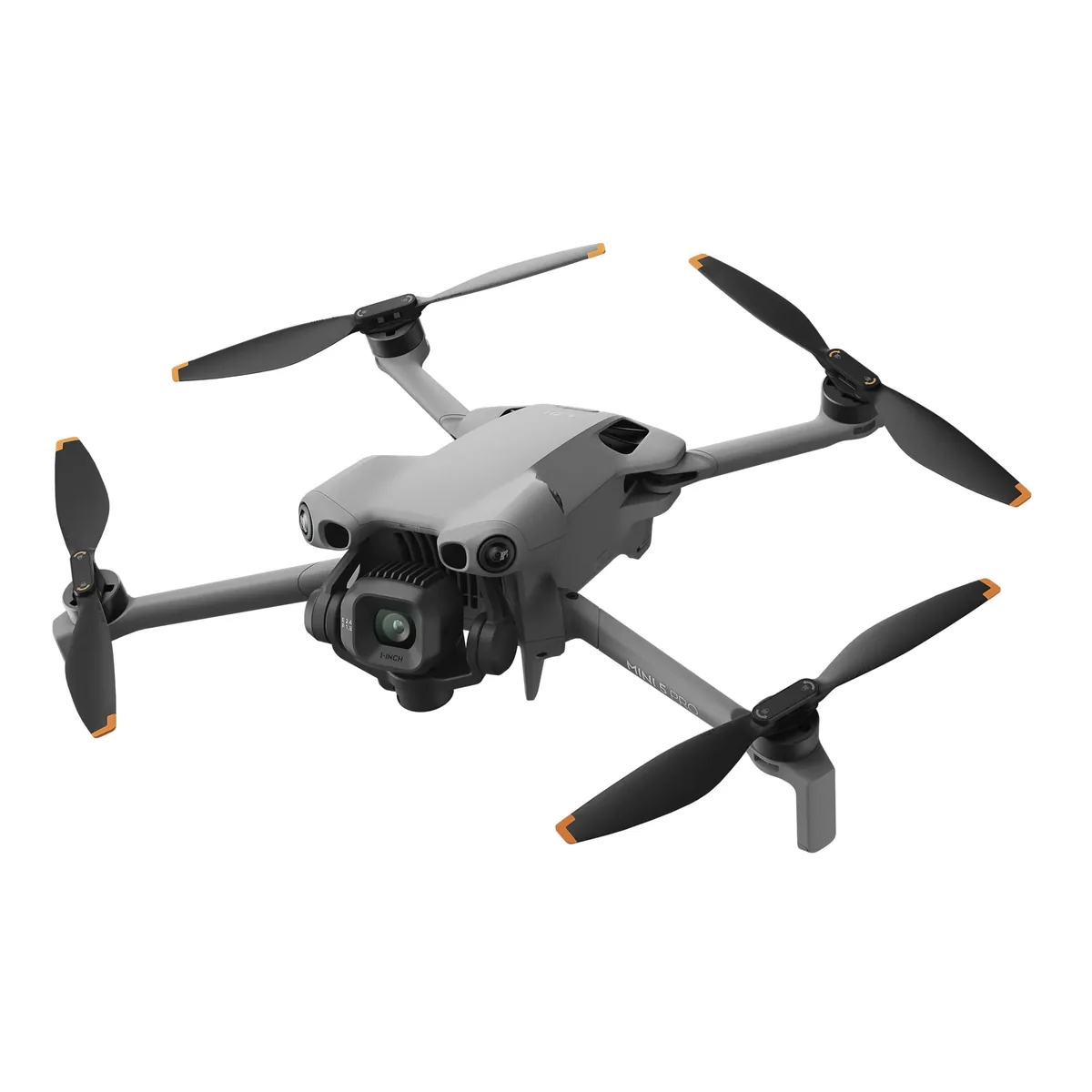
A one-inch sensor under 250 grams was supposed to be impossible, and this is the drone that did it. Fifty megapixels on a 116 mm² sensor at f/1.8 is roughly two-thirds more light-gathering area than the Mini 4 Pro's 1/1.3-inch chip, which shows up exactly where you would expect: dusk, interiors of shadow, and anything where the smaller Minis start smearing. It adds forward LiDAR to the omnidirectional vision system, so it sees in the dark rather than just in daylight, and the gimbal swings through 225 degrees for true vertical framing. The complication is where you buy it. DJI never put it in its own US store, and the units on US shelves arrived through import channels, which changes what happens when you crash it.
- Sensor
- 116.2 mm²
- Claimed
- 36 min
- Bundle
- ~$1,043
Best for: Low light and vertical video without registering
Full spec sheet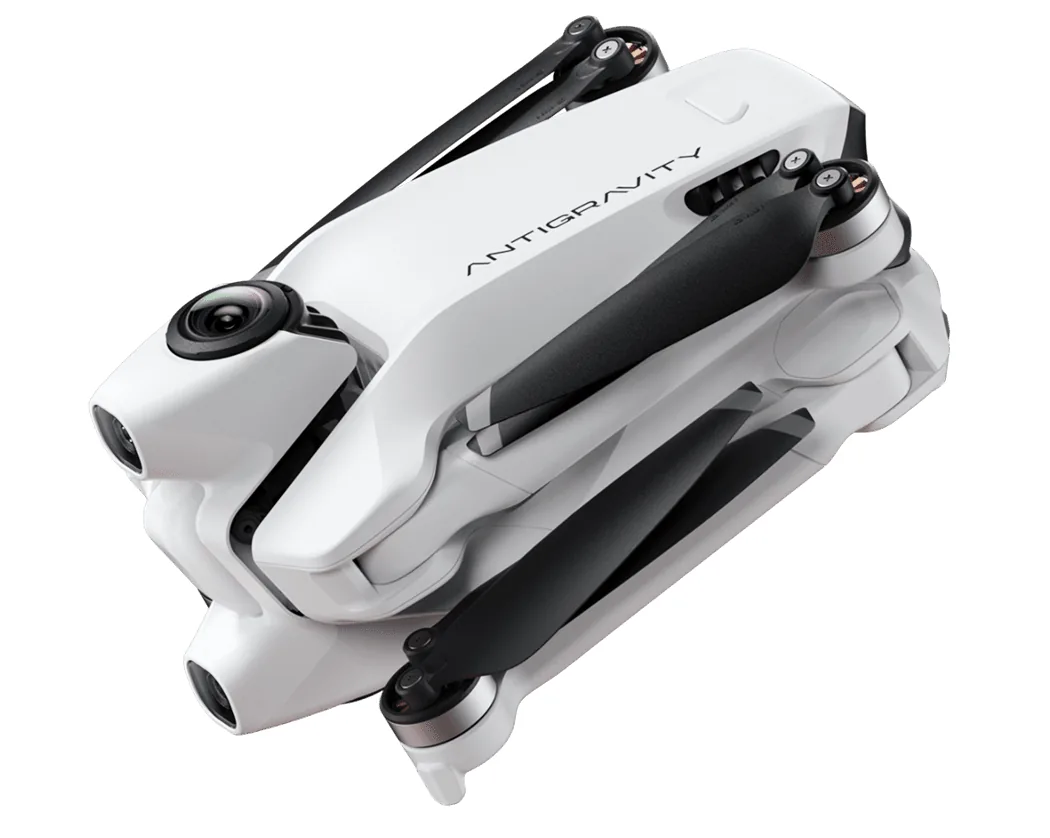
Antigravity
Antigravity A1
Insta360's drone brand did the thing everyone expected Insta360 to do: put a 360 camera on an aircraft and delete the gimbal entirely. Two 1/1.28-inch lenses, one above and one below, capture everything around the drone at 8K/30, and the stitching algorithm removes the aircraft from its own footage. You do not frame during the flight; you fly, then pick angles afterwards from a sphere. Control is goggles-first — a 2560x2560-per-eye headset with head-tracked FreeMotion and a conventional FPV mode — which makes the flying feel closer to sitting in the thing than steering it. It squeezes under 249 grams on the standard battery, carries omnidirectional sensing and return-to-home, and is one of the few genuinely current aircraft a US buyer can order new without an import caveat. The workflow is also genuinely different from a camera drone's. You come home with spherical footage rather than shots, and every frame you publish is a crop and a reframe made afterwards in software — which is liberating if you already edit and tedious if you do not.
- Sensor
- 71.5 mm²
- Claimed
- 24 min
- Base kit
- ~$1,599
Best for: Deciding the shot after the flight, not during it
Full spec sheet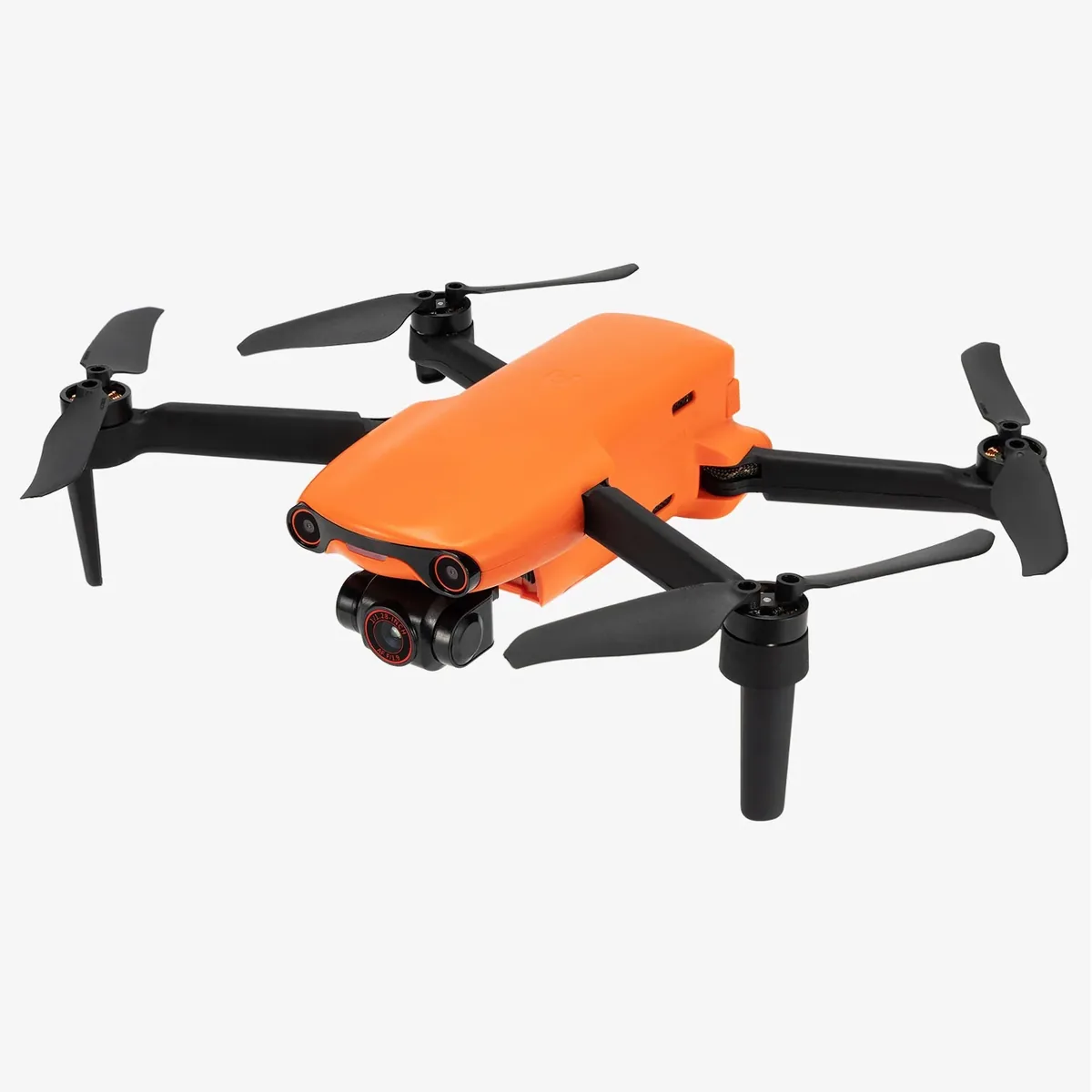
Autel
Autel EVO Nano+
For a couple of years this was the answer to "what if I don't want a DJI", and its selling point has not changed: 50 megapixels on a 1/1.28-inch sensor, three-axis stabilisation, three-way obstacle sensing and no geofencing, all under 249 grams. Autel has never locked its aircraft out of airspace the way DJI does, which some pilots consider the entire reason to buy one and which puts the responsibility for knowing where you may fly squarely on you. Video tops out at 4K/30 in 8-bit with no log profile, so this is a stills-first aircraft. The complication is corporate rather than technical: Autel ended production of the whole Nano and Lite line in July 2025, so you are buying remaining inventory from a company that has left the consumer market, with service promised to 2030. One practical note for anyone coming from DJI: the absence of geofencing means the aircraft will take off anywhere it has satellites, including places you must not fly. That is either the reason you are buying it or the reason you should not, and it is worth deciding which before the first flight rather than after.
- Sensor
- 71.5 mm²
- Claimed
- 28 min
- Bundle
- ~$899
Best for: 50MP stills from a non-DJI aircraft
Full spec sheet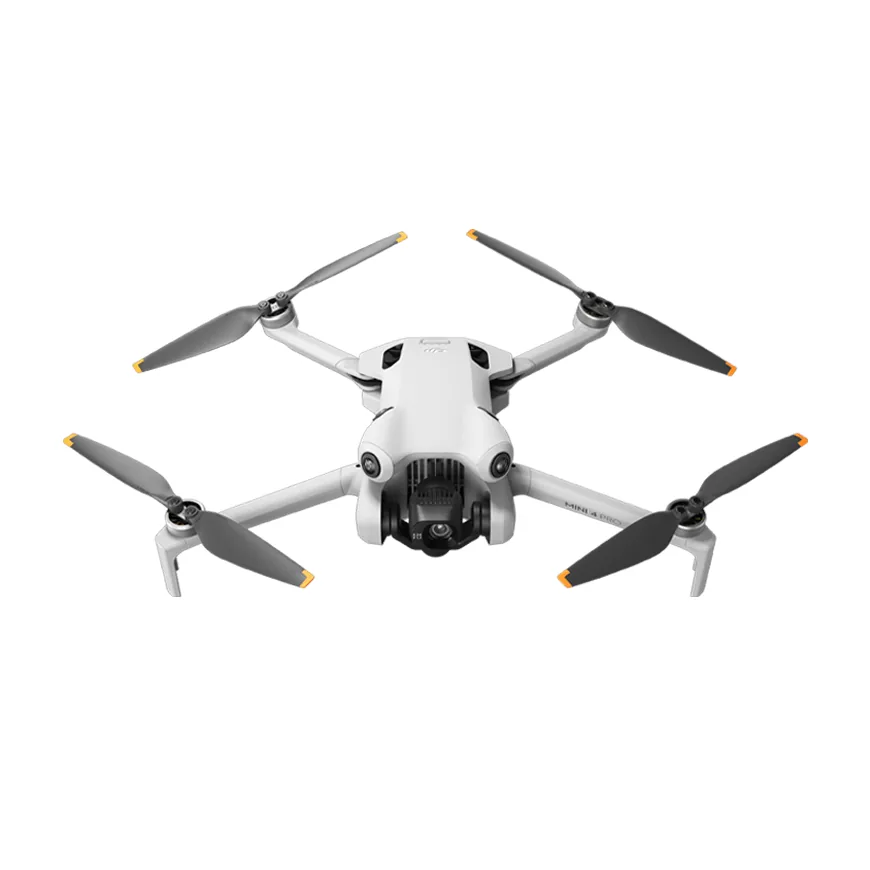
Omnidirectional sensing on a 249-gram airframe is the trick nothing else in this catalog fully matches. Binocular vision on all sides plus a downward 3D infrared sensor means the Mini 4 Pro will stop for a branch it is backing into, which matters far more than it sounds once you fly near trees. The 1/1.3-inch 48MP sensor records 4K/60 HDR and 4K/100 slow motion at 150 Mbps in 10-bit D-Log M, so the footage grades rather than just plays. O4 transmission is rated to 20 km in FCC regions, which is far beyond any legal line-of-sight flight but does mean a clean 1080p feed at the distances people actually fly. The caveat is the one everyone trips on: the 45-minute battery is a separate, heavier pack that takes the aircraft over the registration threshold, so the honest number for a registration-free flight is 34 minutes.
- Sensor
- 69.1 mm²
- Claimed
- 34 min
- Bundle
- ~$1,099
Best for: Flying near trees and buildings without registering
Full spec sheet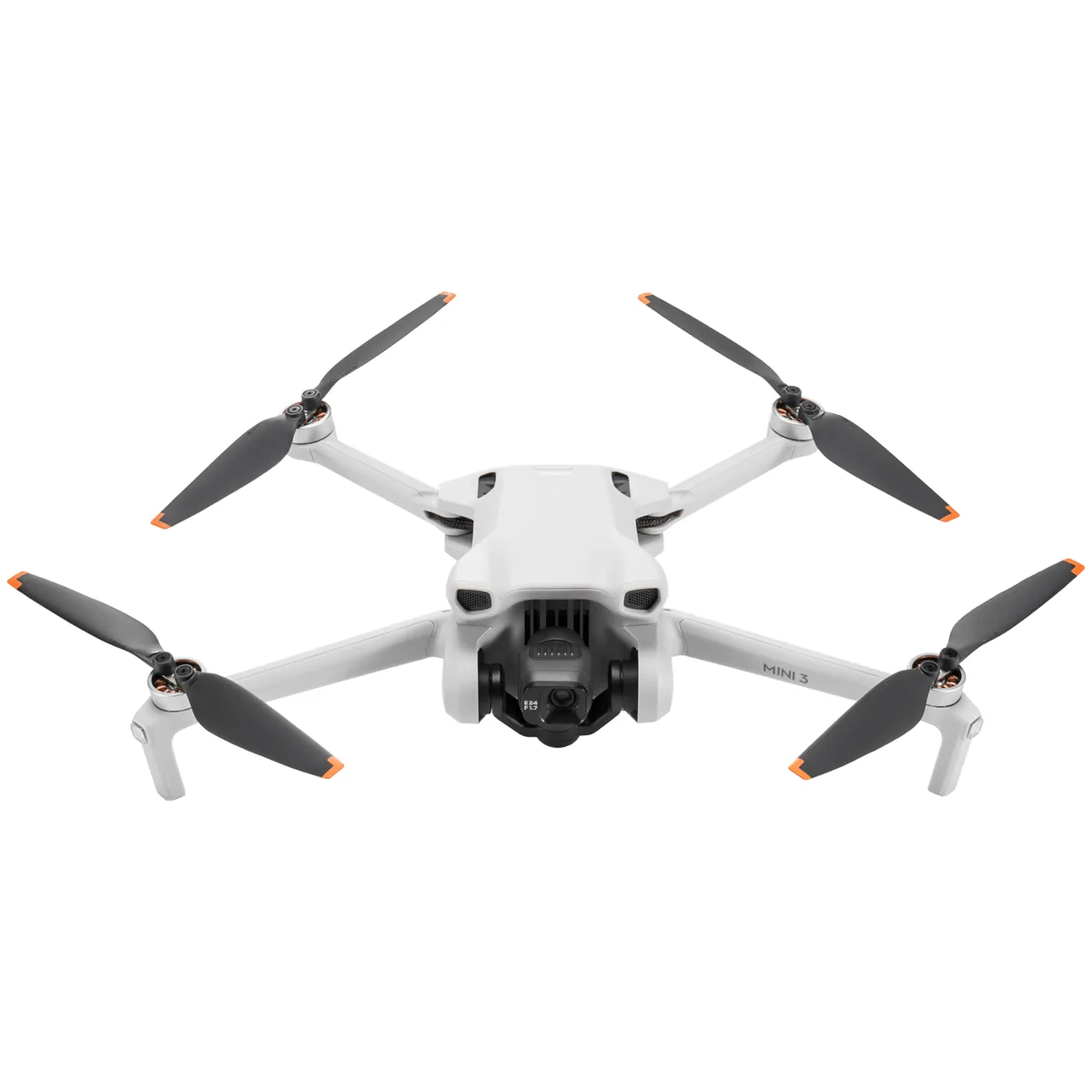
DJI
DJI Mini 3
Everything the Mini 4 Pro has except the sensing and the frame rates, for a good deal less money. Mini 3 carries the same 1/1.3-inch 48MP sensor, the same three-axis gimbal and the same true vertical shooting, then stops at 4K/30 in 8-bit with no log profile and no obstacle detection beyond the downward vision system. Its 38-minute headline is the most quotable example of why this site records flight conditions: DJI measures it hovering in a windless lab, in photo mode, running the battery from full to empty. Fly it forward with the camera rolling and land with a reserve and you are in the mid-twenties. As a daylight stills and simple-video aircraft that never needs registering, it still holds up; as a drone to fly through anything, it does not. There is one more consideration for anyone comparing it against a Mini 4K at a similar price: the Mini 3 has been out long enough that the accessory market is deep and second-hand batteries are plentiful, while the newer aircraft is still building that.
- Sensor
- 69.1 mm²
- Claimed
- 38 min
- Bundle
- ~$598
Best for: Daylight stills and simple video with no registration
Full spec sheet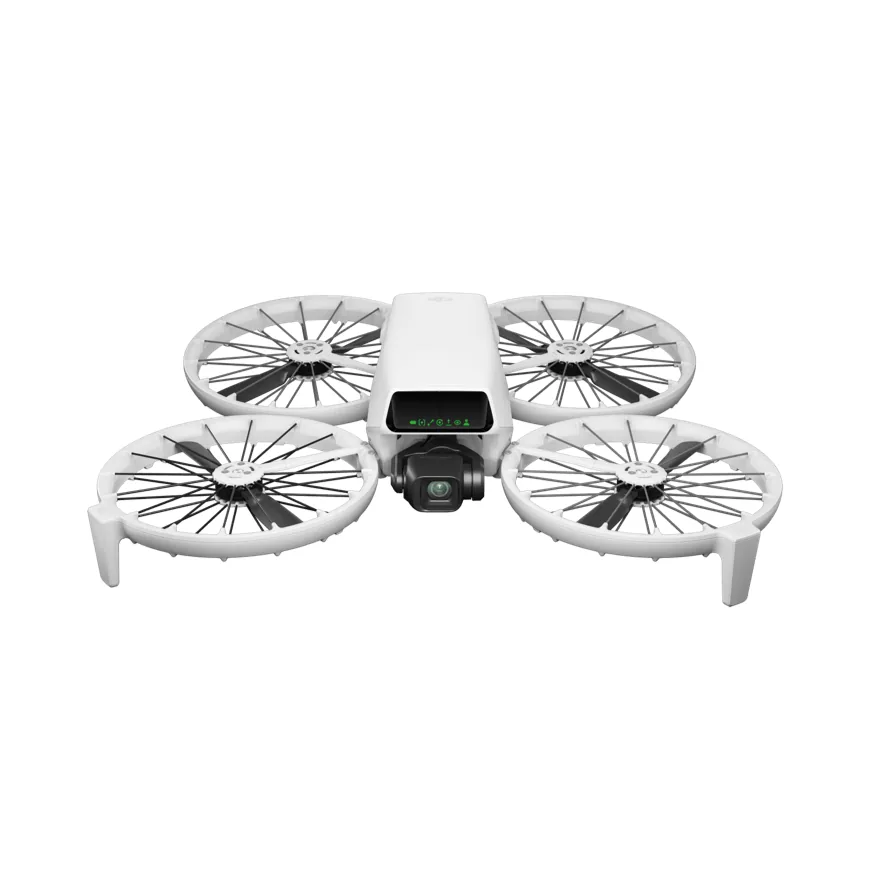
DJI
DJI Flip
Full-coverage propeller guards that fold flat is the idea, and it is a better one than the spec sheet suggests. Unfolded, the Flip's four cages sit around the props like a Neo's but carry a proper 1/1.3-inch 48MP camera on a three-axis gimbal behind them; folded, the whole thing collapses to something close to a Mini's footprint. It will take off from a palm and fly a preset without a controller at all, and it will also fly properly on an RC-N3 with 10-bit D-Log M and O4 transmission. Forward 3D infrared sensing covers the direction you are most likely to hit something and nothing else, which is an honest middle ground between the Neo's nothing and the Mini 4 Pro's everything. The bundle pricing is the awkward part — the screened-controller combo costs nearly twice the base kit.
- Sensor
- 69.1 mm²
- Claimed
- 31 min
- Bundle
- ~$779
Best for: Flying safely around people with a real camera
Full spec sheet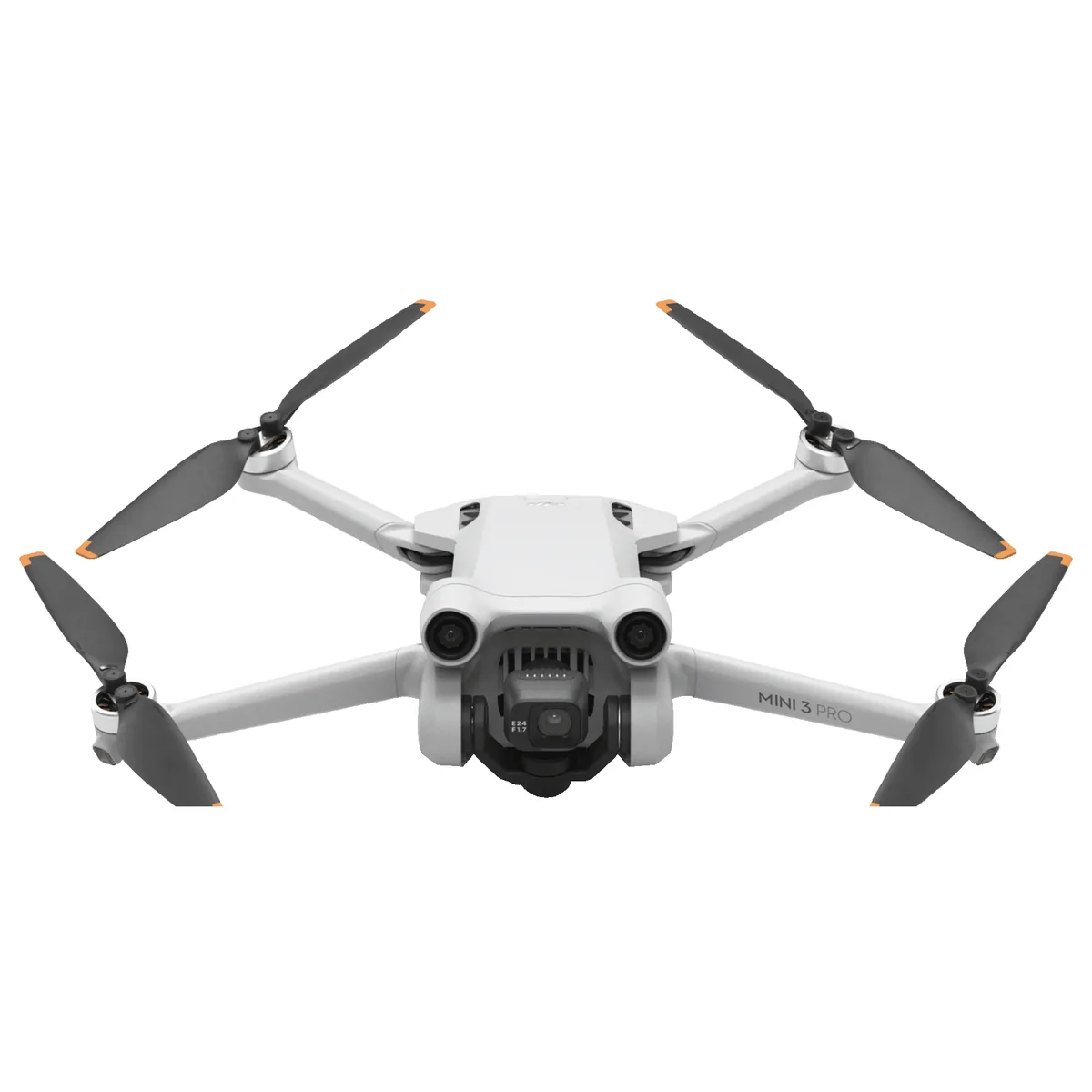
This was the aircraft that made obstacle sensing possible under 250 grams, and everything in the Mini line since has built on it. Forward, backward and downward sensors, a 1/1.3-inch 48MP sensor that rotates 90 degrees for true vertical shooting, 4K/60 HDR at 150 Mbps in 10-bit D-Cinelike, and a genuine 34 minutes on the standard pack. What the Mini 4 Pro added two years later was sensing on the remaining sides, O4 in place of O3, and 4K/100 slow motion. If you find one at a real discount the older aircraft still does most of the job, but DJI discontinued it in 2024, so you are shopping for the last of the stock and betting on battery availability a few years out.
- Sensor
- 69.1 mm²
- Claimed
- 34 min
- Base kit
- ~$759
Best for: Sensing under 250 g at a discount
Full spec sheet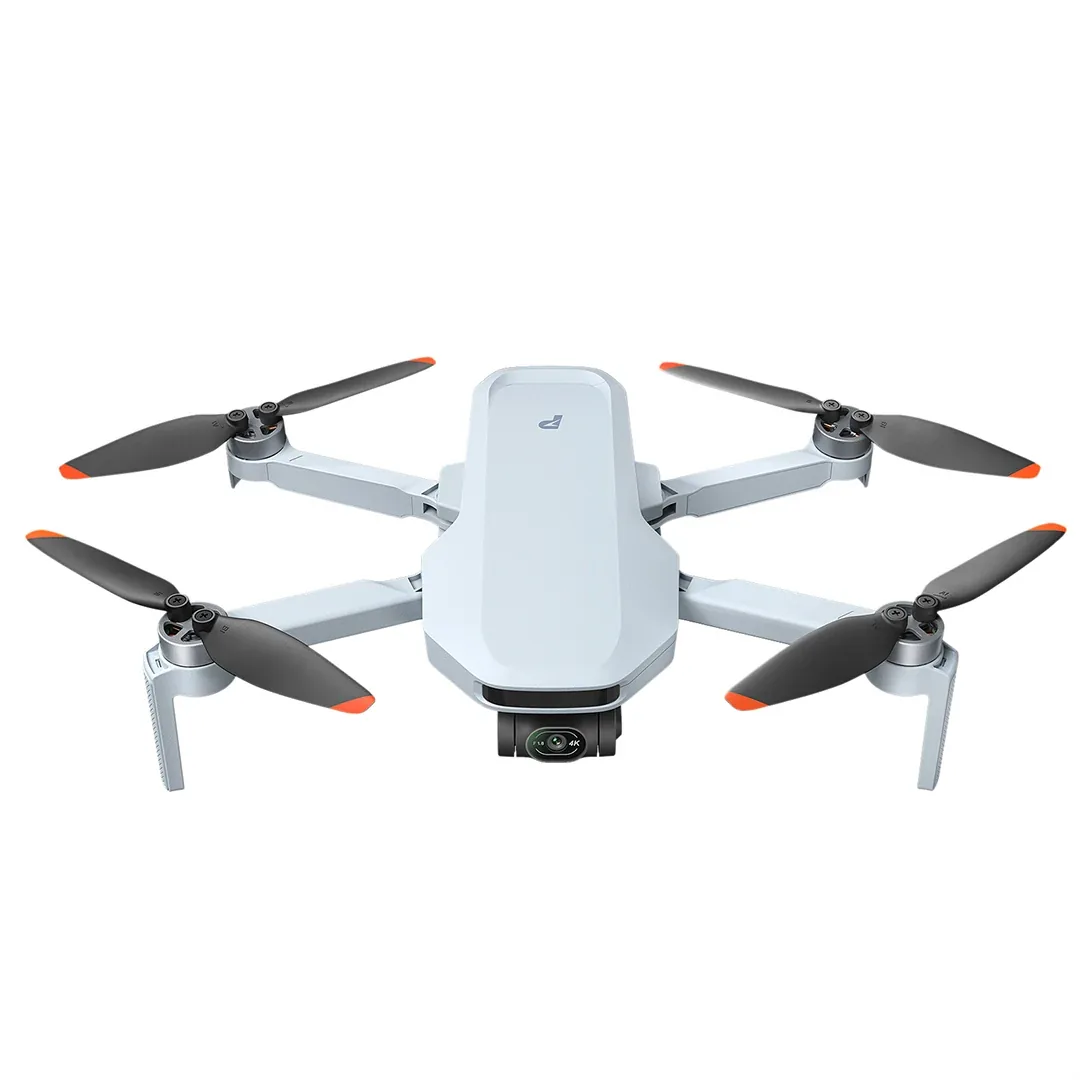
Potensic
Potensic Atom 2
Potensic's pitch is simple arithmetic: a three-axis gimbal, a 10 km link, waypoints and subject tracking for the price DJI charges for a Mini 4K with none of those things. The 1/2-inch 48MP sensor is genuinely smaller than the Mini's 1/1.3-inch chip, so the footage is a step behind in anything but good light, but the stabilisation is real and vertical shooting is supported. The flight-time claim is where this entry earns its place in the catalog: the box says 32 minutes, a reviewer could not get past 20 on any flight, and Potensic's own spokesperson put typical real-world endurance at around 20 minutes. That is the most clearly documented gap between claim and reality anywhere in this dataset, and it is worth knowing before you plan a session around three batteries. Two things to check before ordering: whether the Fly More bundle is genuinely cheaper than buying batteries later, because the discount varies week to week; and whether you need the screened RC PTD 1 controller, because the base kit's controller needs your phone and your phone's battery.
- Sensor
- 30.7 mm²
- Claimed
- 32 min
- Bundle
- ~$449
Best for: A gimballed first drone on a tight budget
Full spec sheet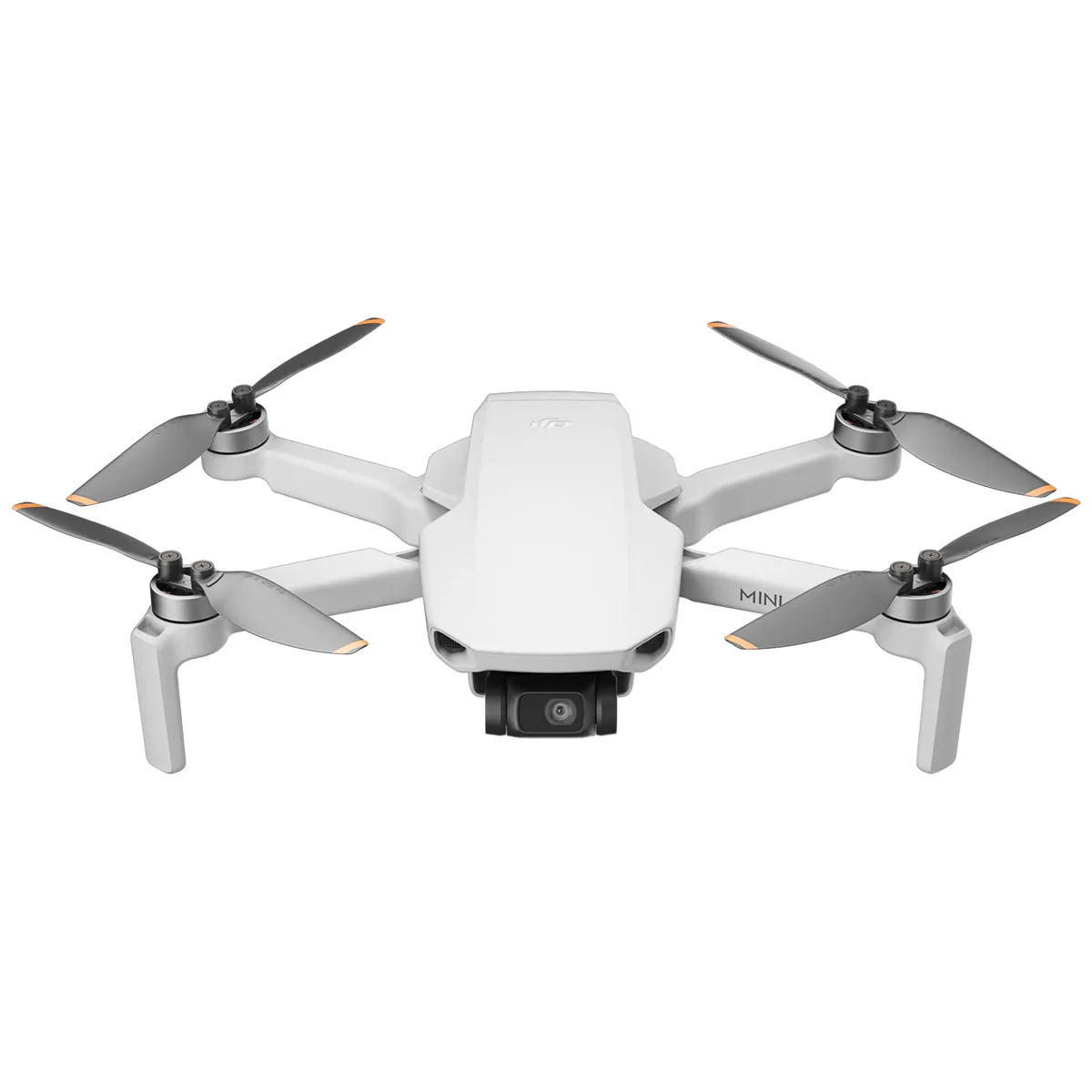
DJI
DJI Mini 4K
Three hundred dollars is the entire point here. Strip a Mini down to a 1/2.3-inch 12MP sensor, 8-bit 4K/30, and a downward vision system with nothing looking forward, keep the three-axis gimbal and the GPS return-to-home, and you get the cheapest genuinely stable aerial camera DJI sells. Nothing about the footage will impress anyone who has seen a 1/1.3-inch sensor at dusk, but in daylight it is sharp and level, which is more than any sub-$200 quadcopter manages. O2 transmission is rated to 10 km and holds a 720p feed rather than O4's 1080p. Treat the lack of obstacle sensing as the defining spec: this aircraft will fly into a branch at full speed without hesitating, so it belongs in open fields while you learn.
- Sensor
- 28.1 mm²
- Claimed
- 31 min
- Bundle
- ~$449
Best for: A first drone flown in open space
Full spec sheet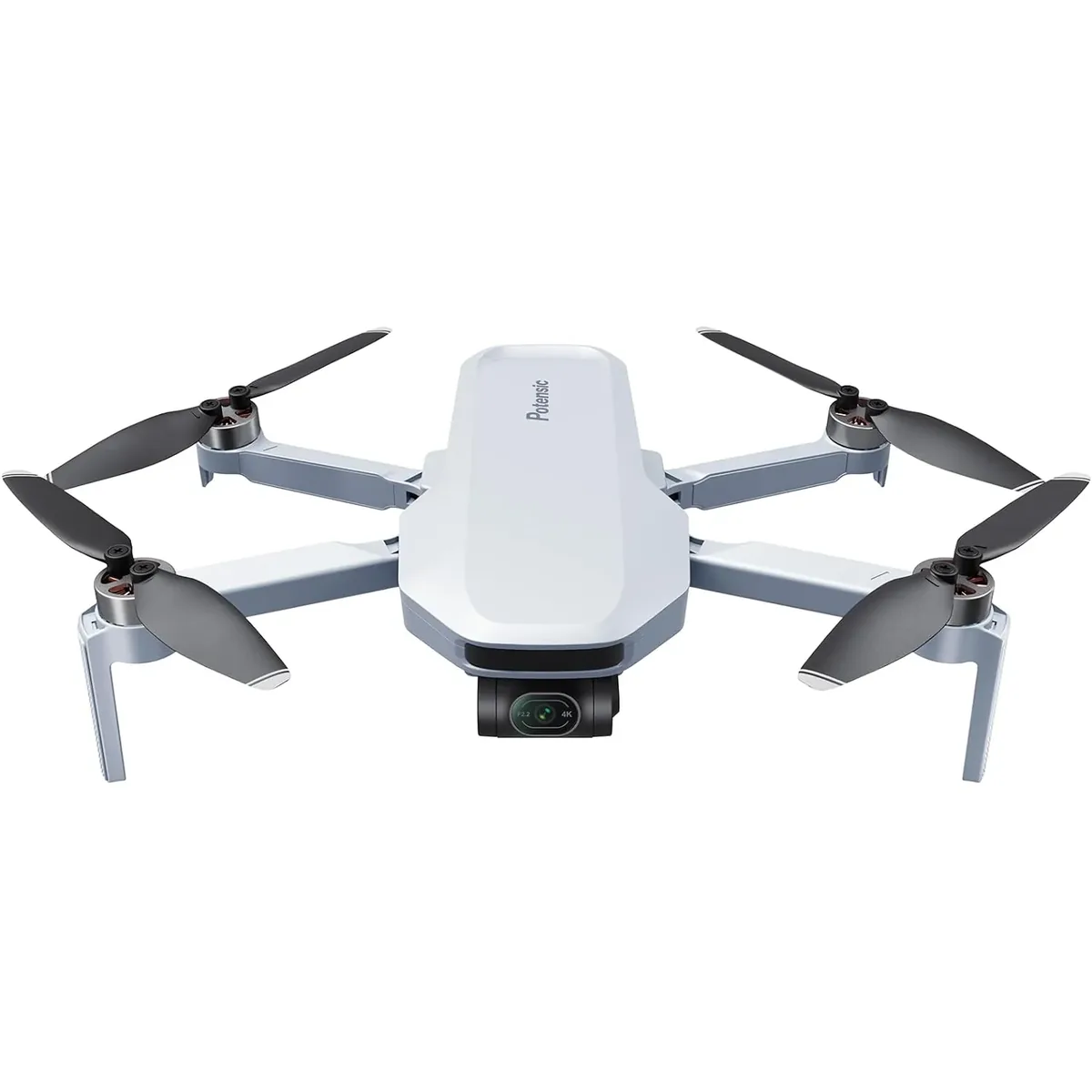
Potensic
Potensic Atom
Before the Atom 2 there was this, and the older model is still worth a look purely on price. Same sub-249-gram airframe, same three-axis gimbal, same GPS return-to-home and QuickShot moves, with a 1/2.3-inch 12MP sensor instead of the newer 1/2-inch 48MP one and PixSync 3.0 capped at 6 km rather than 10. Visual tracking will follow a walking subject or orbit it. What you are giving up against the Atom 2 is sensor area, HDR, vertical shooting and half the rated range — what you are gaining is roughly fifty dollars. For someone whose real question is "will this hold a steady shot without needing registration", the answer here is the same as the newer one, and neither has any obstacle sensing whatsoever.
- Sensor
- 28.1 mm²
- Claimed
- 32 min
- Bundle
- ~$359
Best for: The cheapest stable 4K in the catalog
Full spec sheetHoly Stone
Holy Stone HS900 Sirius
Holy Stone spent years making competent toys and then built this, which is the first of their aircraft that invites comparison with a Mini rather than with a hobby quadcopter. Three-axis brushless gimbal, a 48MP 1/2.3-inch Sony sensor, 6 km of transmission, subject tracking, built-in Remote ID and 249 grams on the nose. Reviewers have been noticeably warmer about it than about anything else in the brand's catalog. The gaps are still real: no obstacle sensing in any direction, a fixed-focus f/2.6 lens, and a measured 22 minutes against a 30-minute claim. At roughly half a Mini 4 Pro's price with a real gimbal and real Remote ID, though, it is the most credible budget alternative here.
- Sensor
- 28.1 mm²
- Claimed
- 30 min
- Bundle
- ~$420
Best for: The best-equipped sub-$400 camera drone
Full spec sheet